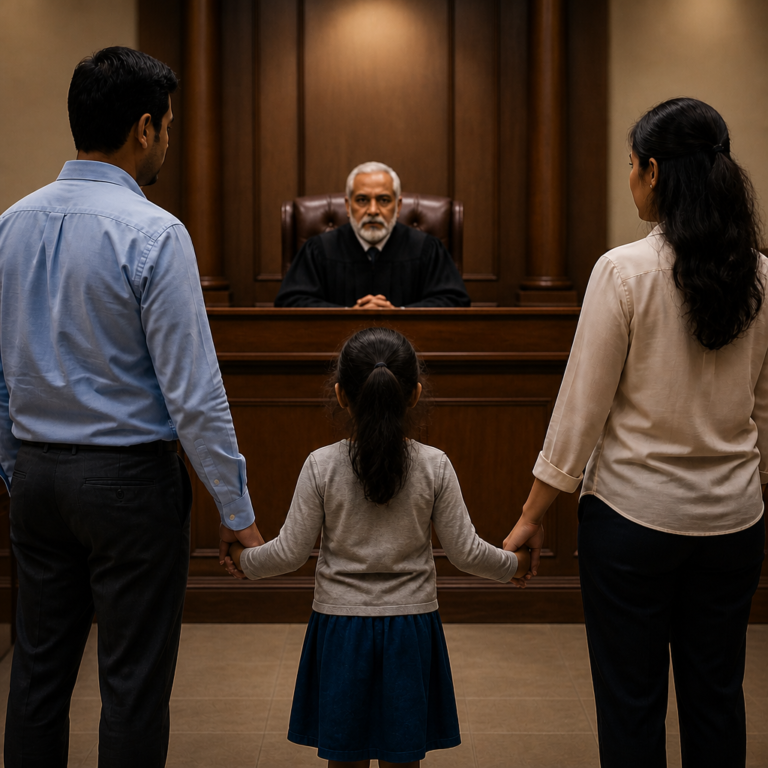

Divorce cases in Chandigarh rarely unfold as straightforward legal disputes. For most families, the process is tangled with emotional strain, financial uncertainty, and often, a sense of being overwhelmed by the legal system. Parents worry about their children, couples argue over property, and many are anxious about what the future holds. The city’s increasing caseload in family courts reflects both changing social norms and the very real challenges of marital breakdowns.
People facing divorce challenges in Chandigarh often don’t know where to start or whom to trust. Legal terms like ‘alimony’, ‘child custody’, or ‘mutual consent’ sound intimidating. Add to this the local nuances – such as how Chandigarh’s courts interpret maintenance or how judges handle domestic violence allegations – and the situation becomes even more complex. This is where experienced lawyers step in, not just as legal representatives, but as guides through a difficult transition.
Divorce cases in Chandigarh typically involve complex issues like child custody, alimony, property division, and domestic violence, which require experienced legal intervention to ensure fair and lawful outcomes for all parties.
Divorce Challenges in Chandigarh: Practical Issues and Legal Solutions
Key takeaways
– Divorce challenges in Chandigarh often centre on child custody, alimony, and property settlement.
– Legal representation is essential for fair negotiation and to protect your rights.
– Court mediation is commonly used to resolve disputes before trial.
– Domestic violence cases require urgent legal intervention and may influence custody and support.
– The Chandigarh Family Court follows procedures under the Hindu Marriage Act, 1955 and Special Marriage Act, 1954.
– Lawyers help clients navigate local court procedures, documentation, and hearings.
– Alimony and maintenance are calculated based on income, needs, and local judicial trends.
– Property settlement includes both ancestral and self-acquired assets, which can be complex to divide.
– Timely legal advice helps avoid common pitfalls and procedural delays.
– Understanding your rights and obligations is essential before filing for divorce.
What Are the Main Legal Challenges in Chandigarh Divorce Cases?
Divorce cases in Chandigarh frequently involve disputes over child custody, alimony, division of property, and allegations of domestic violence. Each issue requires careful legal handling, as local courts apply both national statutes and their own precedents. The outcome of these issues can shape the lives of everyone involved, so understanding the legal landscape is vital.
Child Custody Disputes
Custody battles are among the most emotionally charged aspects of divorce. The Chandigarh Family Court prioritises the welfare of the child, considering factors such as the child’s age, schooling, and each parent’s ability to care for them. Under Section 26 of the Hindu Marriage Act, 1955, either parent can apply for custody, and the court may grant interim or permanent orders. The court may also order visitation rights and, in some cases, appoint a child welfare officer to submit a report. Legal representation is crucial, as poorly presented facts or lack of documentation can harm a parent’s case.
Alimony and Maintenance Negotiations
Alimony (maintenance provided to a spouse) is governed by Section 24 and 25 of the Hindu Marriage Act, 1955, and Section 125 of the Code of Criminal Procedure, 1973 (now replaced by the Bharatiya Nagarik Suraksha Sanhita, 2023 for new cases). Courts in Chandigarh consider the income, assets, and expenses of both parties. Interim maintenance may be granted while the case is ongoing. Disputes often arise over the amount, duration, and mode of payment. Lawyers play a key role in gathering financial evidence, presenting arguments, and negotiating settlements that are realistic and enforceable.
Property Settlement Issues
Property division is another major source of conflict. Chandigarh’s courts follow the principle of equitable distribution, not automatic equal division. This means the court examines the source of assets, whether property is ancestral or self-acquired, the contribution of each spouse, and the needs of dependent children. Disputes often involve:
- Ownership of the matrimonial home (flat, house, or plot)
- Division of movable assets (bank accounts, vehicles, jewellery)
- Rights in joint family or ancestral property
- Valuation of business interests
Lawyers help by tracing and documenting assets, challenging hidden transfers, and ensuring that settlements are legally binding.
Domestic Violence Cases
Allegations of domestic violence can complicate divorce proceedings. The Protection of Women from Domestic Violence Act, 2005 allows victims to seek protection orders, residence orders, and monetary relief. These cases are often heard alongside divorce petitions. Lawyers assist victims by filing complaints, obtaining interim protection, and coordinating with local police and women’s cells. They also help accused parties defend against false allegations, ensuring due process is followed.
Court Mediation and Settlement Efforts
Chandigarh’s family courts encourage parties to attempt mediation before proceeding to a full trial, as mandated by Section 9 of the Family Courts Act, 1984. Mediation can resolve issues faster and with less acrimony. Lawyers prepare their clients for these sessions, help frame settlement proposals, and ensure that any agreement reached is fair and enforceable.
How Do Divorce Lawyers Assist with Child Custody Disputes in Chandigarh?
Lawyers play a pivotal role in child custody disputes, guiding clients through procedural requirements and advocating for the child’s best interests. In Chandigarh, the court’s first priority is the minor’s welfare, not simply the wishes of the parents. Legal counsel is essential to present a strong case.
Understanding Custody Types and Process
There are two main types of custody in divorce cases:
- Physical custody: The child lives with one parent, while the other may have visitation rights.
- Legal custody: The right to make decisions about the child’s education, health, and welfare, which may be shared.
The process generally involves:
- Filing an application for custody (interim or permanent) under Section 26 of the Hindu Marriage Act or Section 38 of the Special Marriage Act.
- Court hearings, where both parents present evidence and arguments.
- The child may be interviewed by the judge, especially if above 9 years of age.
- The court may consult a child welfare officer or psychologist.
- Orders are issued, which may be modified if circumstances change.
Presenting Evidence and Addressing Allegations
Lawyers help gather relevant documents, such as school reports, medical records, or evidence of abuse or neglect. In contentious cases, allegations of parental unfitness or domestic violence must be substantiated. The court can order home visits or psychological evaluations. Legal counsel prepares witnesses and ensures all evidence is admissible.
Managing Visitation and Parental Access
Even when one parent is granted custody, the other usually retains visitation rights. Lawyers negotiate schedules, address concerns about holidays or travel, and seek enforcement if access is denied. In high-conflict cases, supervised visitation may be ordered.
A common mistake is to treat custody as a means to punish the other parent, rather than focus on the child’s needs. Skilled lawyers steer clients towards solutions that minimise trauma for the child and reduce future litigation.
What Is the Process for Alimony and Maintenance Negotiations?
Alimony negotiations in Chandigarh are structured but often contested. The law provides for interim and permanent maintenance, but the outcome depends on careful presentation of facts and legal arguments. Both spouses need to understand their rights and obligations.
Legal Framework and Eligibility
Maintenance laws in India are found in:
- Section 24 and 25 of the Hindu Marriage Act, 1955 (for Hindus)
- Section 125 of the Code of Criminal Procedure, 1973 (now BNSS for new cases)
- The Special Marriage Act, 1954 (for inter-religious marriages)
- The Protection of Women from Domestic Violence Act, 2005
A spouse who lacks sufficient means for support can seek maintenance. The court considers the applicant’s needs, the respondent’s income, and the standard of living during marriage.
Key Steps in Alimony Negotiations
- Filing an application with supporting affidavits detailing income, expenses, and assets.
- Disclosure of financial documents by both sides (salary slips, tax returns, bank statements).
- Interim maintenance may be granted within a few months.
- Final arguments and evidence on the quantum and duration of maintenance.
- Court issues a detailed order, specifying payment schedule and enforcement measures.
Common Issues and Lawyer Intervention
Typical disputes include:
- Allegations of concealed income or assets
- Disagreement over the spouse’s earning capacity
- Requests for lump-sum versus monthly payments
- Adjustment of maintenance if circumstances change (loss of job, remarriage)
Lawyers play a key role in:
- Gathering and presenting financial evidence
- Cross-examining the opposing party
- Negotiating settlements to avoid protracted litigation
- Filing for enforcement if payments are delayed or denied
A frequent mistake is to underestimate the documentation needed. Inadequate proof can result in lower or no maintenance. Timely legal advice can help avoid this pitfall.
How Are Property Settlement Issues Handled in Chandigarh Divorces?
Property settlement is often the most contentious part of a divorce. Chandigarh’s courts do not automatically split assets 50-50. Instead, they follow the principle of fairness, considering several factors unique to each case.
Types of Property Considered
Property is usually classified as:
- Self-acquired property: Assets bought by either spouse in their own name.
- Ancestral property: Property inherited through the family line, especially under Hindu law.
- Joint property: Assets registered in both spouses’ names, such as flats or vehicles.
Disputes often arise over whether a particular asset is joint or self-acquired, and whether one spouse contributed more financially.
Legal Principles and Judicial Trends
Indian law does not recognise automatic spousal rights to property acquired by the other spouse during marriage, except for certain rights to residence and maintenance. However, courts may award a share to the non-owning spouse if they prove financial or non-financial contribution. For example, the Supreme Court in Smt. Bharatha Matha v. R. Vijaya Renganathan (2010) clarified that property claims must be substantiated with evidence.
The Settlement Process
- Both parties disclose their assets and liabilities through affidavits.
- Lawyers examine property documents, sale deeds, and loan statements.
- Disputed assets may be valued by a court-appointed valuer.
- The court considers the needs of dependent children and the financial status of each spouse.
- Settlement can be reached through negotiation or, if not, by a court decree.
| Issue | Typical Practice in Chandigarh | Key Legal Reference |
|---|---|---|
| Matrimonial Home | Usually awarded to custodial parent | Hindu Marriage Act, Section 27 |
| Joint Bank Accounts | Divided as per contribution | Evidence from account statements |
| Ancestral Property | Difficult for non-coparcener spouse | Hindu Succession Act, 1956 |
| Business Assets | Valuation may be ordered | Family Court’s discretion |
Lawyers ensure that all settlements are documented and, where required, registered to prevent future disputes. A common mistake is informal agreements without legal backing, which can be challenged later.
How Does Court Mediation Work in Chandigarh Divorce Cases?
Court mediation is widely used in Chandigarh to resolve divorce disputes before trial. This process is confidential and voluntary, helping parties reach settlement on issues like maintenance, custody, or property without prolonged litigation.
The Mediation Process
- After filing for divorce, the court refers the parties to a court-appointed mediator under Section 9 of the Family Courts Act, 1984.
- Parties attend one or more sessions with the mediator, usually within the court premises.
- Each side presents its concerns and proposals, with or without their lawyers present.
- If an agreement is reached, it is drafted and submitted to the judge for approval.
- If mediation fails, the case proceeds to trial.
Benefits and Limitations
Mediation can:
- Save time and legal expenses
- Reduce emotional stress
- Allow greater control over the outcome
- Preserve relationships, which is especially important when children are involved
However, mediation may not be suitable where there is a history of domestic violence, power imbalance, or ongoing criminal proceedings. Lawyers advise clients on whether mediation is appropriate and help prepare for sessions.
Common Mistakes
A frequent error is entering mediation without clear goals or adequate documentation. Parties who are unprepared may agree to terms that are unfair or unenforceable. Legal counsel helps avoid these risks by advising on acceptable terms and ensuring any agreement is legally binding.
What Role Does Legal Representation Play in Divorce Challenges in Chandigarh?
Legal representation is not just about court appearances. In Chandigarh, experienced family lawyers help clients understand their rights, comply with procedures, and avoid costly errors. Their intervention can mean the difference between a fair settlement and years of litigation.
Services Provided by Divorce Lawyers
- Assessing the merits of a case and advising on the best legal strategy
- Drafting petitions, responses, affidavits, and evidence lists
- Representing clients in court hearings, mediation, and negotiations
- Coordinating with experts, such as property valuers or child psychologists
- Filing for interim relief (maintenance, custody, protection orders)
- Ensuring compliance with court orders and pursuing enforcement if needed
Importance of Local Knowledge
Chandigarh’s family courts follow national laws but also have their own procedural norms. Lawyers familiar with the local judiciary, court staff, and common judicial approaches are better equipped to anticipate outcomes and guide clients accordingly.
Costs and Timeframes
Divorce litigation can be expensive and time-consuming. Fees in Chandigarh vary depending on the complexity of the case, number of hearings, and lawyer’s experience. Typically, a mutual consent divorce may take 6-12 months, while contested cases can last several years. Lawyers explain likely timelines and costs upfront, helping clients plan realistically.
How Are Domestic Violence Cases Handled Alongside Divorce Proceedings?
Domestic violence allegations often run parallel to divorce cases in Chandigarh. The Protection of Women from Domestic Violence Act, 2005 provides immediate remedies, which can affect the outcome of maintenance and custody decisions.
Filing and Interim Relief
A victim can file a domestic violence complaint with the local police, a Protection Officer, or directly with the magistrate under Section 12 of the Act. Courts can grant immediate protection orders, residence orders, and monetary relief. These proceedings are civil in nature but can lead to criminal prosecution if orders are violated.
Impact on Divorce Proceedings
If a spouse is found guilty of domestic violence, it may influence:
- The amount and duration of alimony
- Custody and visitation rights
- The court’s willingness to grant a quick divorce on grounds of cruelty
Lawyers assist by coordinating the parallel proceedings, ensuring evidence is shared appropriately, and protecting their client’s interests in both cases.
Common Challenges
False or exaggerated allegations can be as damaging as genuine cases. Lawyers defend clients by collecting evidence, presenting witnesses, and challenging inconsistent statements. The court weighs evidence carefully, and a well-prepared case is essential for justice.
What Are the Most Common Mistakes in Chandigarh Divorce Cases?
Many parties in Chandigarh make errors that delay proceedings, increase costs, or harm their case. Awareness of these pitfalls can help avoid unnecessary hardship.
Frequent Errors
- Filing incomplete or incorrect documents, leading to repeated adjournments
- Failing to disclose all assets or income, resulting in adverse inferences
- Relying on informal settlements that are not legally enforceable
- Ignoring court deadlines, which can result in dismissal or penalties
- Using children as leverage in custody disputes, which courts frown upon
How Lawyers Help Prevent Mistakes
- Reviewing all documentation before submission
- Advising clients on realistic outcomes and legal obligations
- Negotiating settlements that are detailed and registered
- Monitoring case progress and ensuring compliance with court orders
- Encouraging amicable solutions where possible
The most avoidable mistake is proceeding without proper legal advice. Early intervention by a qualified lawyer often saves time, money, and emotional distress.
Frequently Asked Questions
What is the process for filing a divorce case in Chandigarh?
To file a divorce case in Chandigarh, a party must submit a petition under the relevant law (such as the Hindu Marriage Act or Special Marriage Act) in the Family Court. The process involves serving notice to the other party, submitting evidence, attending hearings, and, if possible, participating in mediation. A decree is granted after the court is satisfied with the grounds and procedures.
How long does a typical divorce case take in Chandigarh?
A mutual consent divorce usually takes 6-12 months in Chandigarh, while contested cases can last 2-5 years or more. Delays often result from adjournments, incomplete documentation, or appeals. Early settlement and mediation can help speed up the process.
What documents are required for a divorce petition in Chandigarh?
Essential documents include marriage certificate, address proof, identity proof, passport-sized photographs, details of children (if any), income and asset statements, and evidence supporting the grounds for divorce. Incomplete or inconsistent documentation can result in rejection or delay.
How is child custody decided in Chandigarh family courts?
Child custody is decided based on the welfare of the child, considering age, schooling, parental ability, and preferences of older children. Courts may grant joint, sole, or split custody, and usually encourage visitation rights for the non-custodial parent.
What factors influence the amount of alimony or maintenance?
Courts consider the income, assets, and expenses of both parties, the standard of living during marriage, and the needs of dependent children. Concealment of income or assets can lead to adverse orders. Maintenance may be interim or permanent, and subject to revision if circumstances change.
Can property acquired before marriage be claimed in a divorce?
Property acquired before marriage is generally considered separate and not subject to division unless it was co-mingled or both spouses contributed to its improvement. Ancestral property is particularly difficult to claim unless legal entitlement is established.
What is the difference between mutual consent and contested divorce?
A mutual consent divorce requires agreement by both spouses on all issues, resulting in a faster and less adversarial process. Contested divorce involves one party opposing the petition, leading to a full trial, evidence, and longer timelines.
How does court mediation work in Chandigarh divorce cases?
Court mediation involves referral to a trained mediator, who facilitates negotiation between parties to resolve disputes on custody, maintenance, or property. If successful, the agreement is recorded and made part of the court order. Mediation reduces time, cost, and acrimony.
Can a spouse claim maintenance if they are employed?
Yes, but the court will consider the applicant’s actual income and ability to support themselves. If the spouse earns less than is needed for basic living expenses, partial maintenance may be granted. Full maintenance is unlikely for well-employed applicants.
What steps should be taken if domestic violence is alleged during divorce?
The victim should file a complaint with police or a Protection Officer and seek interim relief from the magistrate under the Protection of Women from Domestic Violence Act, 2005. Parallel proceedings may run in family court, affecting custody and maintenance outcomes.
Are divorce decrees from Chandigarh recognised in other states or abroad?
Yes, divorce decrees issued by Chandigarh courts are valid throughout India and recognised abroad, subject to compliance with local laws and procedures. For foreign recognition, the decree must be final, on merit, and not ex parte.
How can one enforce a maintenance or property order if the other party does not comply?
Non-compliance can be addressed by filing an execution petition in the Family Court. The court may attach assets, order salary deductions, or even issue arrest warrants for wilful default. Prompt legal action is advised if orders are ignored.
What costs are involved in a divorce case in Chandigarh?
Costs include court fees, lawyer’s fees, documentation charges, and, sometimes, expert fees (valuers, psychologists). Mutual consent divorces are generally less expensive. The total cost depends on the complexity and duration of the case.
What is the role of a Protection Officer in domestic violence cases?
A Protection Officer assists victims in filing complaints, obtaining medical aid, and accessing shelter or legal services. They coordinate between the victim, police, and court. Their reports can be used as evidence in court proceedings.
Can grandparents or other relatives apply for child custody?
Yes, courts may consider applications from grandparents or other close relatives if both parents are unfit or unable to care for the child. The child’s welfare remains the primary consideration.
How are appeals handled in Chandigarh divorce cases?
Appeals against Family Court orders can be filed in the Punjab and Haryana High Court within the prescribed limitation period, usually 90 days. The appellate court reviews the record and may affirm, modify, or set aside the lower court’s decision.
Preparing for Divorce Proceedings in Chandigarh: Practical Steps
Facing a divorce in Chandigarh is never easy, but understanding the local legal environment and common challenges can make the process more manageable. The most important step is to seek advice from a qualified family lawyer. Early legal intervention helps clarify your rights, gather essential documents, and avoid costly mistakes. Mediation should be considered wherever possible, as it often leads to faster and less adversarial solutions.
Organising financial records, listing assets and liabilities, and discussing realistic custody and maintenance arrangements can also save time and stress later. Above all, remember that the Chandigarh Family Court aims to protect the welfare of children and ensure fair treatment for both spouses. With the right preparation and legal support, parties can move forward with clarity and confidence.
This article is general information, not legal advice.