

Divorce rarely ends with a final signature. For many in Chandigarh, the true struggle begins after the court decides who pays alimony and how much. Suddenly, every monthly budget, every plan for the future, and even the sense of independence hangs on a single court order. People expect closure from a divorce decree. Instead, alimony rulings often shape the next decade of their lives – sometimes in ways nobody warned them about.
Alimony in Chandigarh is more than a legal calculation. It’s a deeply personal judgement that can affect everything from where you live to how you raise your kids or plan your retirement. If you’ve ever watched a friend’s life unravel after a maintenance order, you know what I mean. The law tries to balance fairness, but real life rarely feels balanced. That’s the gap this article tries to bridge: the human impact behind the paperwork, and the practical ways people can manage the ripple effects.
Alimony rulings in Chandigarh often have a lasting impact on post-divorce finances, daily stability, and personal freedom, making it essential to understand the legal process, calculation methods, and options for negotiation before and after the judgement.
How Alimony Rulings Shape Post-Divorce Reality in Chandigarh
Understanding Alimony in Chandigarh: Law, Context, and Local Practice
Alimony, also called spousal support or maintenance, is a payment one spouse makes to the other after separation or divorce. In Chandigarh, alimony is governed by several laws, including the Hindu Marriage Act, Section 125 of the Criminal Procedure Code (CrPC), and the Special Marriage Act. The rules aren’t always straightforward. Judges have broad discretion, and outcomes can vary widely based on facts, family history, and even local attitudes.

Legal Framework for Alimony in Chandigarh
Chandigarh courts follow national statutes, but local interpretation matters. Under Section 24 and 25 of the Hindu Marriage Act, either spouse may claim maintenance. Section 125 CrPC provides a safety net, ensuring a spouse (usually the wife) isn’t left destitute. The Special Marriage Act covers interfaith marriages. The court considers the earning capacity, lifestyle, health, and standard of living during marriage. If you’re curious about the broader legal context, Chandigarh Divorce Lawyers Who Shift the Balance in Matrimonial Disputes explains how legal strategies differ in this city.
Types of Alimony: Lump Sum vs Monthly Maintenance
There are two main types of alimony in Chandigarh:
- Lump sum settlement: A one-time payment that closes the financial chapter between ex-spouses. This option appeals to people who prefer a clean break and want to avoid ongoing contact.
- Monthly maintenance: Regular payments (usually by the husband to the wife) until remarriage, death, or further court order. This is more common, but it can stretch for years or even decades.
The law doesn’t force one method over the other. Often, it depends on the couple’s assets, ability to pay, and willingness to negotiate.
How Alimony Differs from Child Support
Many people confuse alimony with child support. In reality, they are separate. Alimony supports the ex-spouse, while child support specifically covers expenses for children. In Chandigarh, both can be ordered together, but the calculations and legal standards are different. For more on this, see Child Custody Battles in Chandigarh: What Most Parents Overlook.
The Real Impact of Alimony Rulings on Daily Life
An alimony decision might look simple on paper, but the consequences run deep. For many, the feeling of relief after divorce is short-lived once the reality of monthly payments or a depleted savings account sets in. Here’s where most people underestimate the impact.
Financial Shock and Lifestyle Changes
A sudden order for monthly maintenance can feel like a pay cut overnight. For the payer, it means reworking the entire household budget – sometimes even selling property or downgrading to a smaller home. The receiver, on the other hand, may still struggle if the amount is too low or inconsistent. Inflation, medical bills, or children’s education costs can wipe out what looked like a safe settlement.
Emotional Toll and Dependency
Alimony isn’t just about money. Ongoing payments often keep ex-spouses tied together, making it harder to move on emotionally. Some people feel resentment or guilt, while others worry about being seen as dependent. This emotional weight can affect relationships with children, new partners, or even friends. Honestly, I’ve seen people hesitate to start new relationships just to avoid upsetting the financial arrangement.
Social Perceptions and Stigma
In Chandigarh, social circles aren’t always forgiving. There’s still a stigma attached to receiving or paying alimony. Neighbours talk, relatives offer unsolicited advice, and sometimes people even avoid social gatherings to dodge awkward questions. This can lead to isolation or a sense of shame, even if the arrangement is fair by law.
Impacts on Career and Earning Ability
For some, alimony means putting career plans on hold. The payer may take on extra work or delay retirement. The receiver might be discouraged from working, fearing a reduction in maintenance. It’s a tricky balance – too much independence can lead to a cut in support, but relying solely on alimony feels risky if payments stop.
Maintenance Calculation: How Courts Decide the Amount
If you’ve ever wondered how judges arrive at that magic number, you’re not alone. Maintenance calculation is one of the most debated parts of spousal support law in Chandigarh. The process isn’t as formulaic as you might hope, but there are patterns worth knowing.
Factors Courts Consider
Judges look at a range of factors before deciding the alimony amount:
- Income and assets of both spouses: Salary slips, business income, property documents, and investments are scrutinised closely.
- Standard of living during marriage: Courts try to maintain a similar lifestyle for the spouse with lower income.
- Duration of marriage: Longer marriages often result in higher or longer-term maintenance.
- Health and age: A spouse with health issues or advanced age may receive higher support.
- Needs of children and dependents: If children are involved, their expenses are considered separately.
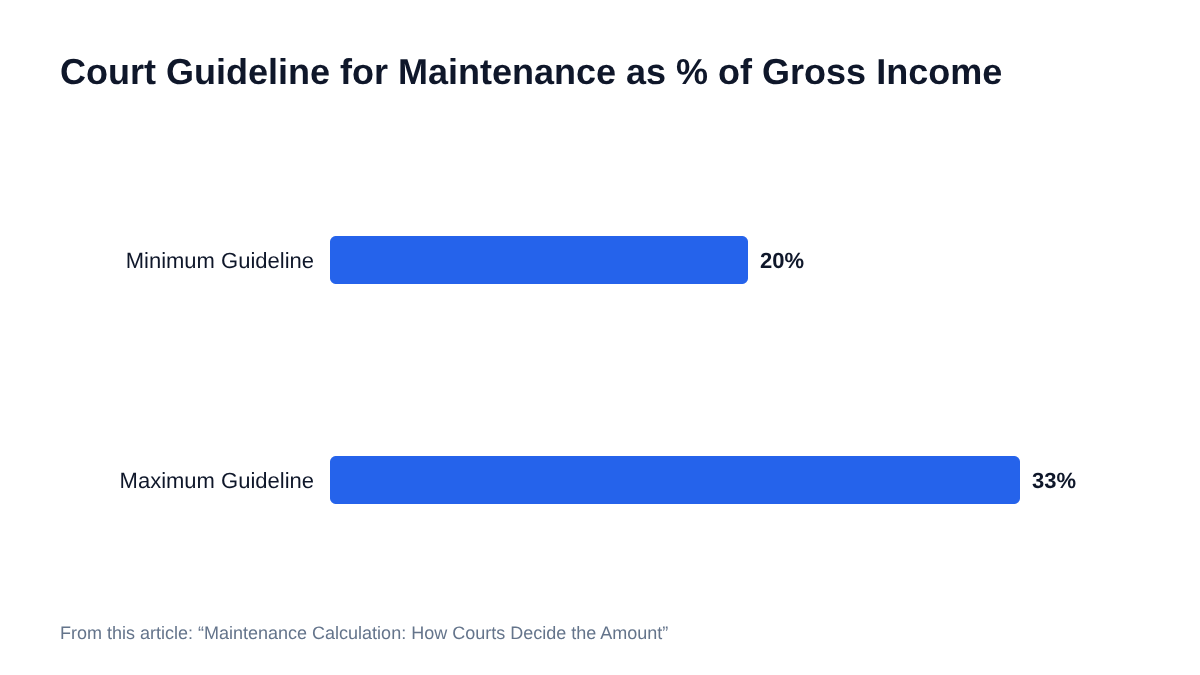
The court usually orders 20 – 33% of the payer’s gross income as maintenance, but this is only a guideline. There’s no fixed formula in Indian law. For reference, see the Ministry of Law and Justice, Government of India for statutory details.
Temporary vs Permanent Maintenance
There are two main stages:
- Interim (temporary) maintenance: Paid during the divorce proceedings to cover immediate expenses.
- Permanent maintenance: Decided at the conclusion of the case, either as a lump sum or ongoing monthly payment.
Many are surprised that interim maintenance can last for years if the divorce drags on. Planning for this is key.
Common Mistakes in Maintenance Calculation
- Hiding income or assets, hoping the court won’t find out. This almost always backfires if discovered.
- Overlooking inflation or future expenses. A fixed amount may not stretch as far five years down the line.
- Failing to update the court if circumstances change (job loss, illness, remarriage). Orders can be modified, but only if you ask.
People often overestimate the protection a court order gives. Enforcement can be slow, and delays are common.
Choosing Between Lump Sum Settlement and Monthly Maintenance
This is one of the most stressful decisions for divorcing couples in Chandigarh. Each approach has trade-offs, and the choice can affect your financial stability for years.
Pros and Cons of Lump Sum Settlement
A lump sum settlement means one party pays a single, large amount to the other, closing the door on future claims. Here’s what to weigh:
- Pros: Clean break, no ongoing contact, freedom to plan finances without uncertainty. Often favoured by those who want to move abroad or start afresh.
- Cons: Requires significant cash or assets up front. Risk of overpaying if the recipient remarries or circumstances change soon after. If invested unwisely, the money can run out quickly.
Pros and Cons of Monthly Maintenance
Monthly maintenance spreads payments over time. It’s more common in Chandigarh, especially when the paying spouse doesn’t have large liquid assets.
- Pros: Easier to manage for the payer, adjusts with life changes, can be stopped if the recipient remarries or passes away.
- Cons: Ties the couple together for years, risk of non-payment or delays, possible legal battles for enforcement.
What to Consider Before Deciding
A quick checklist for making the choice:
- Is a large lump sum feasible given your assets?
- How stable is your income or business?
- Do you plan to remarry or relocate soon?
- Are you prepared for ongoing legal disputes if payments aren’t made?
- Can you manage the tax implications of each option?
People often pick the familiar choice rather than the right one for their situation. Take time to run the numbers, and don’t hesitate to consult a financial planner or a lawyer who understands alimony negotiation in Chandigarh.
Alimony Negotiation: Tactics, Pitfalls, and Legal Strategies
Negotiating alimony is rarely a straightforward process. Emotions run high, and both sides want the best deal. In Chandigarh, skilled negotiation can mean the difference between a fair settlement and years of financial strain.
How Negotiation Works in Practice
Most negotiations start outside the courtroom, sometimes with the help of mediators or lawyers. The goal is to reach an agreement that both sides can live with, avoiding a lengthy trial. If talks fail, the court steps in and imposes its own terms.
Common Negotiation Tactics
- Full disclosure: Sharing complete financial details builds trust and speeds up the process.
- Realistic expectations: Both sides should know what the law typically awards in similar cases.
- Creative solutions: Sometimes, offering property or investments instead of cash can break a deadlock.
- Written agreements: Always document the terms, with clear conditions for changes (like remarriage or job loss).
Pitfalls to Avoid
- Agreeing to an unsustainable payment just to end the process quickly.
- Hiding income or debts, which can be uncovered later and lead to penalties.
- Ignoring the long-term impact – what seems fair today may be hard to live with after five years.
- Relying solely on verbal promises, which are rarely enforceable.
Negotiation is often more successful when both sides focus on practical needs instead of old resentments. If your divorce is especially contentious, you might find When a High-Conflict Divorce Demands More Than Standard Legal Advice helpful.
Financial Planning After Divorce: Building Stability Beyond Alimony
For many, the hardest part comes after the court order is signed. Managing post-divorce finances in Chandigarh requires more than just following the judge’s instructions. It’s about creating new habits and safety nets.
Setting Up a Realistic Budget
Start by mapping out all sources of income, including alimony and any child support. List every expense – even the small ones that seem unimportant. Factor in unexpected costs like medical emergencies or school fees. Don’t forget to adjust for inflation, as maintenance payments rarely increase automatically.
Emergency Funds and Insurance
Life is unpredictable, especially after divorce. Build an emergency fund that covers at least six months of living expenses. Update your health and life insurance policies to remove your ex-spouse and add any new dependents. If you’re the recipient, consider what would happen if alimony payments stop unexpectedly.
Tax Implications of Alimony
Tax treatment of alimony has changed in recent years. As of now, alimony received is taxable for the recipient and deductible for the payer, but rules can vary. Always check the latest guidance from the Income Tax Department, Government of India. Getting this wrong can result in penalties or missed refunds.
Planning for Long-Term Goals
Don’t let alimony become a crutch. Use the support to rebuild skills, pursue further education, or start a small business. If you’re paying alimony, plan your investments so you don’t sacrifice your own retirement or your children’s future.
Working with Experts
Consider working with a financial planner who understands the local context. Lawyers can advise on legal nuances, but a planner can help with investments, insurance, and tax strategies tailored to post-divorce realities in Chandigarh.
Enforcement and Modification: What Happens When Circumstances Change?
Even the best alimony order isn’t set in stone. Life changes – jobs are lost, people remarry, or health crises strike. Chandigarh courts allow for modification, but the process isn’t automatic.
How to Enforce Alimony Orders
If payments stop, the recipient can file an execution petition in family court. The court may order wage garnishment, property attachment, or even jail time for willful default. However, enforcement can be slow. Delays are common, especially if the payer is self-employed or moves cities. Document every missed payment, and act quickly to avoid large arrears.
Grounds for Modification
Either spouse can request a change in alimony if circumstances shift significantly:
- Loss of job or major drop in income
- Remarriage or live-in relationship of the recipient
- Serious illness or disability
- Major changes in cost of living
The court will review evidence and decide if the order should be increased, decreased, or terminated.
Best Practices for Staying Prepared
- Keep all financial documents, court orders, and payment records organised.
- Notify the court and the other party immediately if your situation changes.
- Don’t wait until arrears pile up – address problems early.
Frequently Asked Questions
What is alimony and how is it decided in Chandigarh?
Alimony in Chandigarh is financial support one spouse provides to the other after divorce or separation. Courts decide the amount based on income, standard of living, marriage duration, and each spouse’s needs, following the Hindu Marriage Act, CrPC, or Special Marriage Act depending on the case.
How is monthly maintenance calculated in Chandigarh?
Monthly maintenance is usually calculated as 20 – 33% of the payer’s gross income, but the court considers many factors like lifestyle, health, and responsibilities. There is no fixed formula, and judges use their discretion based on the facts presented.
What is the difference between lump sum settlement and monthly maintenance?
A lump sum settlement is a one-time payment that ends financial ties, while monthly maintenance involves regular payments over time. Lump sum offers closure but requires upfront funds, whereas monthly maintenance provides ongoing support but can tie ex-spouses together for years.
Can alimony orders be changed after divorce?
Yes, alimony orders can be modified if circumstances change, such as job loss, remarriage, or major health issues. The affected party must apply to the family court with proof of the change to request an increase, decrease, or termination of maintenance.
Is alimony taxable in India?
Alimony received as monthly maintenance is considered taxable income for the recipient and can be claimed as a deduction by the payer. Lump sum alimony for maintenance is generally not taxable, but always check current Income Tax Department rules or consult a tax advisor.
What should I do if my ex-spouse stops paying alimony?
If alimony payments stop, file an execution petition in the family court. The court can order wage garnishment, property attachment, or other measures to enforce payment. Keep records of all missed payments and act quickly to avoid large arrears.
How can I negotiate a fair alimony settlement?
Negotiation tips include full financial disclosure, realistic expectations, creative solutions (like property instead of cash), and always getting agreements in writing. Engaging a mediator or lawyer with experience in alimony Chandigarh cases can help reach a fair deal.
What happens if I hide income during alimony proceedings?
Hiding income or assets is risky. If discovered, the court can penalise the party, increase the maintenance award, or even initiate perjury charges. Always provide honest and complete financial information.
Can I receive both alimony and child support?
Yes, you can receive both. Alimony supports the ex-spouse, while child support covers expenses for children. The court calculates each separately, and both can be ordered together if justified by the facts.
How long does alimony last in Chandigarh?
Alimony duration depends on the court order. Monthly maintenance continues until the recipient remarries, passes away, or the court modifies the order. Lump sum settlement closes the matter permanently. Some cases specify a fixed period for payment.
What documents are required for an alimony claim?
Key documents include marriage certificate, proof of income (salary slips, bank statements), property documents, expense details, and any evidence of lifestyle or standard of living during marriage. Providing complete paperwork speeds up the process.
Do men ever receive alimony in Chandigarh?
Yes, spousal support law is gender-neutral in India. Men can claim alimony if they earn less or are unable to support themselves, though such cases are less common in practice.
How is interim maintenance different from permanent maintenance?
Interim maintenance is a temporary payment ordered during pending divorce proceedings to meet immediate needs. Permanent maintenance is decided at the end of the case, either as a lump sum or ongoing payment.
What if my ex moves to another city or country?
If your ex relocates, enforcement can be slower but is still possible through the Indian court system. For international cases, execution depends on treaties and cooperation between countries. Keep the court informed of address changes.
Are there alternatives to court-ordered alimony?
Yes, couples can agree on private settlements, use mediation, or include alimony terms in mutual consent divorce agreements. However, only court-approved settlements are legally enforceable.
Can I refuse to pay alimony if I believe it’s unfair?
Refusing to pay a court-ordered alimony can lead to legal penalties, including wage garnishment, property seizure, or even jail time. If you believe the order is unfair, apply to the court for modification rather than ignoring payments.
Key Takeaways
- Alimony in Chandigarh is shaped by local law, court discretion, and personal circumstances.
- Rulings can have long-term effects on finances, lifestyle, and emotional health.
- Maintenance calculation considers income, lifestyle, marriage duration, and dependents.
- Choosing between lump sum and monthly maintenance depends on assets, goals, and risk tolerance.
- Negotiation works best with full disclosure and realistic expectations.
- Post-divorce financial planning is critical for both payers and recipients.
- Tax treatment of alimony varies; consult the latest rules before filing returns.
- Alimony orders can be changed if circumstances shift significantly.
- Enforcement can be slow, so keep records and act quickly on missed payments.
- Both men and women can claim alimony, though outcomes depend on facts.
- Interim maintenance is possible during long divorce proceedings.
- Social stigma around alimony still affects many in Chandigarh.
- Private settlements are possible but must be court-approved to be enforced.
- Avoid hiding income or assets; honesty is safer in the long run.
- Always get legal and financial advice before making big decisions post-divorce.
Splitting up is never just about two signatures and a court order. For many in Chandigarh, the real challenge starts with the first alimony payment or the first month of managing alone. The law tries to be fair, but life after divorce is rarely neat. Understanding your rights, the local rules, and the hidden impact of alimony rulings can make all the difference in building a stable future.
If you’re facing tough choices, don’t rush. Take time to learn, plan, and get advice tailored to your situation. The impact of alimony is real, but with the right information and support, you can move forward with more confidence.