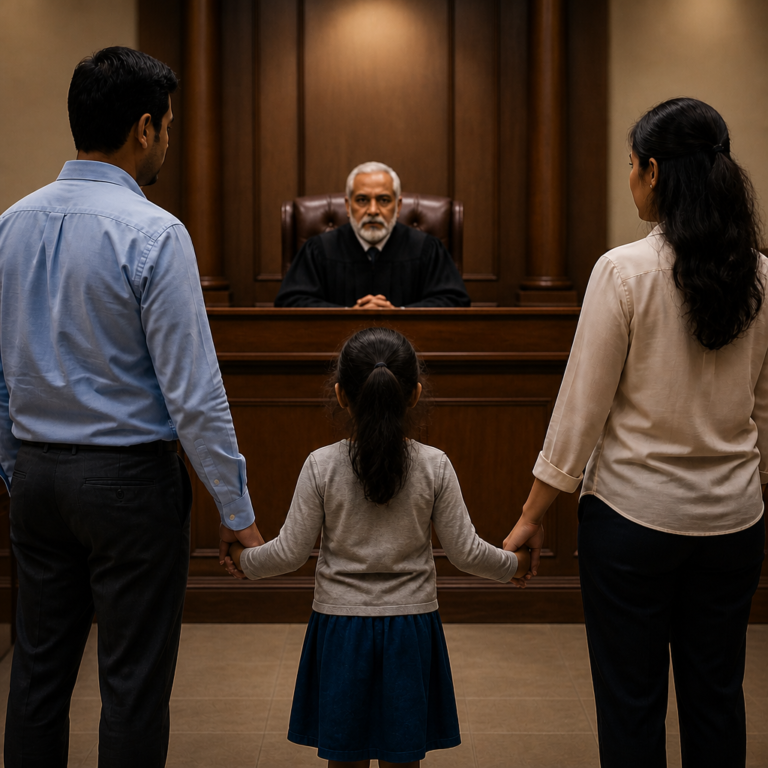

It’s 7:30 pm on a humid July evening in Chandigarh. You’re sitting across the dining table from your spouse, both of you exhausted by months of tension. The decision is clear: you want to end the marriage, but neither of you wants a long, ugly fight. You’ve heard about mutual consent divorce, but the process sounds daunting. What paperwork do you actually need? How many times do you have to go to the family court in Chandigarh? Will the judge ask uncomfortable questions? And how long does it really take?
Ending a marriage is never easy, but the mutual divorce process in Chandigarh is designed to be more straightforward and less painful than a contested case. If both partners are on the same page, this route can save time, money, and emotional energy. Still, the process has its share of legal hoops, and one small mistake with documentation or procedure can set you back months. Knowing exactly what to expect – and what to prepare – makes a world of difference.
If you’re trying to understand the mutual divorce process in Chandigarh, here’s the direct answer: Mutual consent divorce in Chandigarh requires both spouses to file a joint petition at the family court, attend two court hearings (usually six months apart), submit proper documentation, and confirm their ongoing consent before the judge grants the final decree.
How Mutual Consent Divorce Works in Chandigarh
Mutual consent divorce is a legal process where both spouses agree to end their marriage without blaming or accusing each other. In Chandigarh, this process falls under Section 13B of the Hindu Marriage Act, 1955, or Section 28 of the Special Marriage Act, 1954, depending on your faith and how you got married. The family court Chandigarh handles these cases, offering a fairly predictable legal pathway if both sides cooperate.
The two biggest reasons people choose mutual divorce here are speed and simplicity. Unlike contested divorces, which can drag on for years, mutual consent divorces often wrap up in 6 – 18 months. The process avoids mudslinging and lengthy witness cross-examinations. Both parties must have lived separately for at least one year and agree on all terms – property, child custody, alimony, and so on – before even filing the divorce petition.
Legal Framework and Where to File
- Hindu couples: Section 13B of the Hindu Marriage Act
- Other religions/interfaith: Section 28 of the Special Marriage Act
- Where to file: Family Court, District Courts Complex, Sector 43, Chandigarh
You’ll need to show proof of residency in Chandigarh – usually a rent agreement, electricity bill, or Aadhaar card with a local address. If one partner lives elsewhere, you can still file in Chandigarh if the marriage took place here or if you last lived together in the city.
Key Requirements Before Filing
- Both spouses must agree to all terms (finances, custody, property)
- At least one year of separation (not necessarily living apart, but not living as a married couple)
- No pending criminal cases between the spouses
- Complete divorce documentation: marriage certificate, address proof, ID proofs, passport-sized photos, and a joint divorce petition
What Makes Chandigarh Unique?
Honestly, the process is almost the same as in other Indian metros, but Chandigarh’s family court is known for relatively prompt case listings. Most lawyers will say you can get a first hearing within 2 – 4 weeks of filing. The city’s legal fraternity is quite familiar with mutual consent divorces, so you’re unlikely to face much confusion or delay if your paperwork is in order.
Step-by-Step Guide to the Mutual Divorce Process Chandigarh
Filing for mutual consent divorce in Chandigarh follows a set sequence. Missing a step or a document can cause the court to adjourn your case, so here’s a breakdown of what actually happens:
- Consultation and Agreement: Both spouses (and their lawyers, if any) meet to finalise terms – child custody, alimony, property division, etc. All points must be agreed in writing.
- Drafting the Divorce Petition: A joint divorce petition is prepared, citing the grounds for marriage dissolution and the agreed terms. Both signatures are required.
- Court Filing: Submit the petition and supporting documents at the family court Chandigarh. Pay the court fee (usually under Rs. 500).
- First Motion Hearing: Both spouses appear before the judge. The court records statements and verifies consent. If the judge is satisfied, the case moves to the next stage.
- Cooling-Off Period: The law requires a minimum six-month waiting period. This gives both parties time to reconsider. In rare cases, the court may waive this if there’s strong reason – like urgent relocation or severe hardship.
- Second Motion Hearing: After six months (but before 18 months), both spouses must appear again. The judge reconfirms consent and reviews any changes.
- Final Decree and Divorce Order: If all is in order, the court grants the final decree of divorce. Both parties receive a certified copy.
Required Divorce Documentation
- Joint divorce petition
- Marriage certificate (original or certified copy)
- Proof of address for both spouses
- ID proofs (Aadhaar, PAN, passport)
- Four passport-sized photos each
- Proof of separation (optional but helpful: rent agreement, separate bills, or affidavits)
- Settlement agreement (if there’s property, alimony, or child custody involved)
Timeline and Practical Tips
- First hearing: 2 – 4 weeks after filing
- Cooling-off period: 6 months (minimum)
- Second hearing: 6 – 18 months after first motion
- Total duration: 7 – 18 months, depending on court dates and cooperation
- Lawyer fees: Usually Rs. 15,000 – Rs. 50,000 for the entire process in Chandigarh, depending on complexity
If you’re hoping to skip the cooling-off period, be prepared to show solid proof – like documented threats, medical emergencies, or a job transfer letter. Most judges in Chandigarh stick to the six-month gap unless the situation is truly exceptional.
Key Legal Concepts: Separation, Consent, and Settlement
Understanding the terms used in mutual divorce cases helps avoid confusion and mistakes. Here’s what you need to know:
Legal Separation vs. Divorce
Legal separation means the spouses are living apart or not functioning as a married couple. You don’t need a formal court order to be “separated” for mutual consent divorce. Courts in Chandigarh accept evidence like:
– Separate addresses on bills or government IDs
– Affidavits from neighbors or relatives
– WhatsApp chats or emails showing lack of contact
Divorce, on the other hand, is the legal end of the marriage by court order. Only after the final decree is issued can you remarry or update your marital status in official records.
What Counts as Mutual Consent?
Both spouses must genuinely agree to:
– End the marriage
– Settle all financial and custody matters
– Appear in court together for both hearings
If even one person changes their mind before the final order, the process stops. The court will not force a mutual divorce if consent is withdrawn, no matter how much time or money has been spent.
Settlement Agreements
Most mutual consent divorces in Chandigarh include a written settlement covering:
– Division of property (flat, vehicles, jewellery)
– Payment of alimony or maintenance (lump sum or monthly)
– Child custody and visitation (if relevant)
– Return of gifts or dowry items (if any)
A clear, signed agreement prevents future disputes and makes the court process much smoother. Your lawyer can draft this in plain English or Hindi, but it should be specific – avoid vague promises like “will pay something later.”
How Family Court Chandigarh Handles Mutual Divorce Cases
The family court in Sector 43 is where all mutual consent divorce petitions for the city get filed. The judges here have seen thousands of such cases, so they focus on three things: genuine consent, fairness of the settlement, and legal compliance.
Filing and Court Procedure
When you file your divorce petition, the court staff checks for basic errors – missing signatures, incomplete forms, or wrong documents. If everything looks right, you get a case number and a hearing date. On the day of the hearing:
– Both spouses must appear in person (video appearance is rare and allowed only in special cases)
– The judge asks basic questions: Why do you want a divorce? Have you agreed to all terms? Is anyone being forced?
– If there are children, the judge may ask about custody and welfare arrangements
– Statements are recorded in front of a court official
The Cooling-Off Period: Can It Be Waived?
Section 13B(2) of the Hindu Marriage Act requires a six-month gap between the first and second motions. The idea is to give couples a final shot at reconciliation. Chandigarh courts rarely waive this unless there’s clear hardship. You’ll need strong documentation to convince the judge – just saying you’re in a hurry won’t work.
What Happens If One Spouse Changes Their Mind?
If, during the cooling-off period, one spouse decides not to continue, the process stops. The court cannot force mutual consent divorce. If both parties still want to separate, but can’t agree on terms, you’d need to switch to a contested divorce – an entirely different (and much longer) process.
Common Mistakes and How to Avoid Them
Many couples in Chandigarh run into avoidable snags during the mutual divorce process. Here are the top mistakes and how you can sidestep them:
Incomplete or Incorrect Divorce Documentation
This is the most frequent issue. Missing signatures, expired ID proofs, or an unsigned settlement agreement will get your petition rejected or delayed. Always double-check every document before court filing.
Not Agreeing on All Terms
Some couples rush into the process without fully resolving property or child custody issues. If you leave any point unsettled, the judge will likely adjourn your case until you sort it out. Take the time to put every agreement in writing.
Missing Court Dates
Both spouses must attend both hearings in person. If one person misses a date without a valid reason, the case can be dismissed or delayed by months. Mark your calendar and keep all travel plans flexible until the process is complete.
Trying to Skip the Cooling-Off Period Without Grounds
Many people ask their lawyer to get the six-month period waived just to save time. Unless you have a compelling reason (like a medical emergency), most judges won’t allow it. Don’t rely on this shortcut unless your situation is truly urgent.
Failing to Update Official Records
Once you receive the final decree, immediately update your marital status on Aadhaar, passport, and bank accounts. This prevents hassles later, especially if you plan to remarry or relocate abroad.
Best Practices for a Smooth Mutual Divorce in Chandigarh
If you want your mutual consent divorce to go through without drama or delays, here’s what actually works:
Get Legal Advice Early
Even if things are amicable, consult a local lawyer who handles mutual divorce cases in Chandigarh. They’ll help draft a clear settlement, check your paperwork, and keep you updated on court procedures. Many lawyers offer fixed-fee packages for mutual divorce.
Prepare All Documents Before Filing
Organise every required document in advance:
– Original marriage certificate
– Latest address and ID proofs
– Passport-sized photos
– Settlement agreement (detailed and signed)
– Proof of separation (if possible)
Communicate Clearly With Your Spouse
Surprisingly, many mutual divorces hit a wall because of last-minute confusion or miscommunication. Decide everything upfront and put it in writing. If you’re nervous about facing your spouse in court, ask your lawyer to arrange separate waiting areas.
Attend Both Court Hearings Diligently
Don’t skip hearings. If you have to travel or fall sick, inform your lawyer and the court in writing as soon as possible. The court is strict about personal presence unless you have a medical reason or are living abroad (with proper documentation).
Keep Copies of Every Document
After each hearing, get a stamped copy of the court order or statement. Once the divorce is final, keep at least three certified copies of the decree. You’ll need these for updating official records.
Mutual Divorce vs Contested Divorce: What’s the Difference?
Many people confuse mutual consent divorce with contested divorce. The difference is huge – both in process and emotional toll.
| Feature | Mutual Consent Divorce | Contested Divorce |
|---|---|---|
| Agreement Required | Yes (both spouses) | No (one spouse can object) |
| Main Steps | 2 court hearings, settlement | Multiple hearings, evidence |
| Duration | 6 – 18 months | 2 – 5 years (sometimes more) |
| Cost | Lower (Rs. 15k – 50k) | Higher (Rs. 50k – 5 lakh+) |
| Emotional Stress | Less (amicable) | High (allegations, disputes) |
| Privacy | More (less mudslinging) | Less (public allegations) |
If both spouses can agree, mutual consent divorce saves time, money, and emotional turmoil. Contested divorce is a last resort when agreement isn’t possible.
Trends and Recent Developments in Mutual Divorce Law
Over the last decade, mutual consent divorce cases in Chandigarh have steadily increased. Several trends are shaping the process:
More Couples Opting for Amicable Separation
Social stigma around divorce has lessened, especially among younger couples. Many now see mutual consent divorce as a practical solution rather than a social failure. The family court in Chandigarh reports a steady rise in these cases every year.
Digital Court Filing and E-documentation
Some parts of the process, like getting certified copies or checking case status, can now be done online through the Punjab and Haryana High Court portal. However, personal appearance is still required for hearings.
New Supreme Court Guidelines
In 2023, the Supreme Court clarified that the six-month cooling-off period can be waived in rare cases of hardship. This has made it easier for some couples facing unique circumstances, but the bar remains high. Chandigarh courts still require strong evidence to grant a waiver.
Growing Use of Mediation
Many family court judges encourage couples to try mediation before or during the mutual divorce process. Trained mediators help iron out tricky issues and often speed up settlement.
Frequently Asked Questions
What is mutual consent divorce in Chandigarh?
Mutual consent divorce in Chandigarh is a legal process where both spouses jointly agree to end their marriage and file a joint petition in the family court. The process requires two court hearings, a minimum six-month waiting period, and full agreement on all settlement terms before the court grants the final decree.
How long does the mutual divorce process take in Chandigarh?
The mutual divorce process in Chandigarh usually takes 7 to 18 months. After the first hearing, there is a mandatory six-month cooling-off period before the second hearing. The total time depends on court schedules and how quickly both spouses cooperate and provide documents.
What documents are needed for mutual consent divorce?
You’ll need a joint divorce petition, marriage certificate, address and ID proofs for both spouses, passport-sized photos, settlement agreement, and proof of separation if available. All documents must be submitted in original or certified copies at the time of court filing.
Can the six-month waiting period be waived in Chandigarh?
Yes, the family court Chandigarh may waive the six-month cooling-off period in rare cases of extreme hardship, such as medical emergencies or urgent relocation. You must provide strong evidence and a written application for the waiver. The judge’s decision is final.
Is it necessary for both spouses to appear in court?
Yes, both spouses must appear in person for both court hearings unless there are exceptional circumstances like living abroad or severe illness. In such cases, video appearance may be allowed with court permission and proper documentation.
How much does mutual consent divorce cost in Chandigarh?
Typical lawyer fees range from Rs. 15,000 to Rs. 50,000 for a mutual consent divorce in Chandigarh. Court filing fees are usually below Rs. 500. Costs may increase if there are complex property or custody issues.
What happens if one spouse withdraws consent during the process?
If either spouse withdraws consent before the final decree, the mutual divorce process stops immediately. The court cannot grant divorce without ongoing mutual agreement. You’d need to consider contested divorce if issues remain unresolved.
Can we file for mutual divorce if we live in different cities?
Yes, you can file for mutual consent divorce in Chandigarh if the marriage took place here, you last lived together in the city, or one spouse currently resides in Chandigarh. Both spouses must attend court hearings in person unless otherwise allowed by the court.
Are mediation services available in Chandigarh for divorce?
Yes, the family court Chandigarh encourages mediation for couples seeking mutual divorce. Mediation can help resolve disputes regarding property, alimony, or child custody before or during court proceedings.
What is the difference between mutual consent and contested divorce?
Mutual consent divorce requires both spouses to agree and jointly file a petition, leading to a faster and less stressful process. Contested divorce involves disputes and can take years, with higher legal costs and emotional strain.
What is the role of a settlement agreement in mutual divorce?
A settlement agreement outlines how property, money, and custody will be handled after divorce. It must be clear, detailed, and signed by both parties. The court reviews this document to ensure fairness before granting the divorce.
Do we need a lawyer for mutual divorce in Chandigarh?
While not legally required, hiring a lawyer is strongly recommended for drafting documents, ensuring compliance, and representing you in court. Most couples in Chandigarh use lawyers to avoid errors and delays.
Can mutual divorce be granted if we have children?
Yes, mutual consent divorce can be granted if you have children, provided both spouses agree on custody and maintenance arrangements. The court will review the settlement to ensure the child’s welfare is protected.
How can I check the status of my divorce case in Chandigarh?
You can check the status of your mutual divorce case online through the Punjab and Haryana High Court portal or by contacting your lawyer. Case numbers and hearing dates are usually updated within a few days of filing.
What should I do after receiving the final divorce decree?
After getting the final decree, update your marital status on all official documents like Aadhaar, passport, and bank accounts. Keep certified copies of the decree for future reference, especially if you plan to remarry or travel abroad.
Key Takeaways
- Mutual consent divorce in Chandigarh is faster and less stressful than contested divorce.
- Both spouses must agree on all terms and attend two court hearings.
- The process requires a minimum six-month waiting period between hearings.
- Proper divorce documentation is essential to avoid delays or rejection.
- Settlement agreements should cover property, alimony, and child custody in detail.
- Family court Chandigarh handles all mutual divorce petitions for the city.
- Mediation is available to help resolve disputes before or during the process.
- Lawyer fees generally range from Rs. 15,000 to Rs. 50,000 in Chandigarh.
- The court rarely waives the cooling-off period without strong evidence.
- Always update your official records after receiving the final decree.
Ending a marriage is never easy, but the mutual divorce process in Chandigarh gives couples a chance to separate with dignity and less conflict. With the right preparation and clear communication, most people find the process manageable – if not painless, then at least predictable. If you take the time to get your documentation in order and attend the required hearings, you’ll avoid the delays and frustrations that trip up so many others.
The most important thing? Be honest with yourself and your spouse about what you want, and get every agreement in writing. That’s what keeps the process moving – and gives you both a real chance at a fresh start.