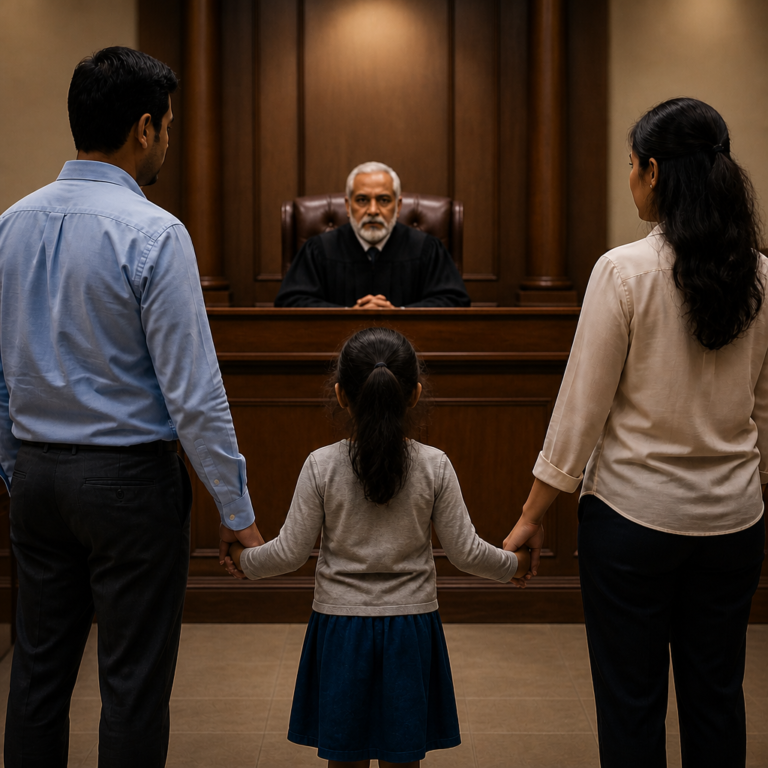

Marriage in Chandigarh isn’t just about ceremonies and rituals. Sometimes, things fall apart, misunderstandings grow deeper, and families get tangled in legal knots. If you’re staring at endless paperwork or unsure whom to trust with private matters, you’re not alone. Many people in Chandigarh face confusion over marriage disputes, divorce proceedings, child custody cases, alimony claims, and property division. The right legal help can mean the difference between years of stress and a fair, timely outcome.
A Matrimonial lawyer in Chandigarh is the person you call when family life takes a legal turn. These lawyers handle more than just divorce – they provide family law services, guide you through tricky moments, and fight for your rights when emotions are running high.
The Real Work of a Matrimonial Lawyer in Chandigarh
What Does a Matrimonial Lawyer in Chandigarh Actually Do?
A matrimonial lawyer in Chandigarh deals with legal issues tied to marriage and family. This includes divorce, maintenance, child custody, alimony, and property division. Their job is to offer clear legal advice, represent your interests in court, and try for the best possible result, whether through negotiation or litigation.
Some of the main tasks handled by a matrimonial lawyer in Chandigarh include:
- Filing and defending divorce petitions (mutual and contested)
- Handling child custody cases and visitation rights
- Managing alimony claims and maintenance issues
- Advising on property division and asset settlement
- Mediating marriage disputes, including domestic violence or dowry harassment cases
- Drafting and reviewing pre-nuptial and settlement agreements
Most people overthink whether they really need a lawyer for these issues. Honestly, if there’s even a hint of disagreement or complexity, having a local expert makes a world of difference. Chandigarh’s courts have their own way of working. An experienced lawyer knows the judges, the paperwork quirks, and the pace of hearings here.
Understanding Family Law Services in Chandigarh
Family law services in Chandigarh cover a broad range of matters, not just divorce. These services are meant to support individuals and families through difficult transitions and disputes, offering professional legal guidance at every step.
Types of Family Law Services
- Marriage registration and annulment: Getting your marriage legally recognized or, in rare cases, legally declared void.
- Legal separation: For couples who aren’t ready for divorce but want to live apart with defined rights and duties.
- Child custody and guardianship: Deciding who will care for children, what visitation looks like, and how to ensure their best interests.
- Domestic violence and protection orders: Filing for protection and ensuring safety in cases of abuse or harassment.
- Adoption and surrogacy: Navigating the legal process for bringing a child into your family.
Why Local Experience Matters
Chandigarh’s legal system mixes central Indian laws with local court procedures. For example, family courts here often encourage mediation before full trials, and judges may favor joint custody arrangements unless there’s a clear reason otherwise. A local matrimonial lawyer can explain these trends and prepare you accordingly.
Marriage Disputes: What Triggers Legal Action?
Marriage disputes can start small – an argument over finances, a disagreement about living arrangements, or tension with in-laws. But sometimes, these issues grow into something bigger and require formal legal intervention.
Common Causes of Marriage Disputes in Chandigarh
- Dowry demands or related harassment
- Infidelity or allegations of extramarital affairs
- Financial disagreements about assets or earnings
- Child-related conflicts, including upbringing, schooling, or religious matters
- Abuse or domestic violence
How a Matrimonial Lawyer Helps
A lawyer’s first step is usually to try and mediate the dispute. If that fails, they can:
- Draft legal notices or counter-notices
- File police complaints or protection orders if needed
- Initiate or defend divorce proceedings
- Negotiate settlements or custody agreements
For example, if a wife faces dowry harassment, her lawyer may file a complaint under Section 498A of the Indian Penal Code. If a husband is being denied access to his children, his lawyer can petition for visitation rights. Every case is unique, and a good lawyer tailors their approach to the facts and the personalities involved.
Divorce Proceedings: Step-by-Step in Chandigarh
Divorce isn’t just about ending a relationship. It’s a legal process with specific steps, paperwork, and deadlines. Chandigarh follows Indian family law but has its own court timelines and expectations.
Types of Divorce in Chandigarh
- Mutual Consent Divorce: Both spouses agree to separate. This is usually faster and less stressful.
- Contested Divorce: One spouse files, and the other objects or disagrees about terms.
Divorce Process Timeline
- Filing the Petition: One or both parties submit a divorce petition in the Chandigarh family court.
- Notice to Respondent: The other party receives official notice and gets a chance to reply.
- Mediation or Counseling: The court may send both parties to a mediator or counselor to try for reconciliation.
- Evidence and Hearings: If mediation fails, both sides present evidence, witnesses, and arguments.
- Interim Orders: The court may issue temporary orders for maintenance, custody, or property use.
- Final Arguments and Judgment: The court decides the outcome and issues a final decree.
Simple mutual consent divorces in Chandigarh can wrap up in 6 – 8 months, while contested cases often stretch for 2 – 3 years, especially if children or major assets are involved.
Key Documents Needed
- Marriage certificate
- Address and identity proofs
- Evidence of grounds for divorce (photos, messages, bank records)
- Details of children, property, and income
Don’t underestimate the paperwork. Missing documents can delay your case for months. A matrimonial lawyer in Chandigarh will give you a checklist and help collect what’s needed.
Child Custody Cases: Protecting Children’s Interests
Child custody is often the hardest part of family disputes. Parents worry about losing connection with their kids, and the children themselves can feel caught in the middle. Chandigarh courts focus on what’s best for the child, not just the wishes of the parents.
Types of Custody
- Physical custody: Where the child will live most of the time.
- Legal custody: Who makes decisions about education, health, and religion.
- Joint custody: Both parents share time and responsibilities.
- Sole custody: One parent has primary rights, usually if the other is unfit or unavailable.
Factors the Court Considers
- Child’s age and preference (if old enough to express it)
- Each parent’s financial stability and living situation
- Past involvement in the child’s life
- Allegations of abuse or neglect
- Schooling and extended family ties
How a Lawyer Supports Your Case
A Chandigarh matrimonial lawyer prepares:
- Evidence of your bond with the child (photos, school records, witnesses)
- Proof of financial ability to care for the child
- A proposed custody and visitation schedule
They may call experts (like child psychologists) or request home visits. The goal is always to show the court that your plan serves the child’s best interests.
Alimony Claims and Maintenance: Financial Support After Separation
Alimony, also called maintenance, is money paid by one spouse to the other after separation or divorce. It’s meant to ensure that the financially weaker party isn’t left helpless. In Chandigarh, courts follow Indian law but judge every case on its own facts.
Types of Alimony
- Interim maintenance: Temporary support during the legal process.
- Permanent alimony: Ongoing payments after the divorce is final.
- Lump-sum settlement: A one-time payment instead of monthly support.
How Courts Decide Alimony
- Income and property of both parties
- Age and health of the spouses
- Length of the marriage
- Standard of living during marriage
- Custody of children and related expenses
For example, if a wife gave up her career to raise children and has no steady income, the court might order her husband to pay monthly maintenance. If both spouses earn well, the court may refuse alimony or order a smaller sum.
Lawyer’s Role in Alimony Claims
- Calculating what’s fair based on real numbers
- Negotiating settlements out of court
- Challenging unreasonable demands or defending your ability to pay
A lawyer who knows Chandigarh’s usual awards can give you a realistic picture. Don’t expect every case to match what you’ve heard from relatives – judges look at evidence, not gossip.
Property Division in Matrimonial Disputes
When marriages break down, dividing property can get messy. Chandigarh follows the same general principles as the rest of India, but local real estate quirks and family-owned businesses sometimes add extra layers.
What Gets Divided?
- Jointly owned property: Homes, land, flats, or businesses in both names
- Movable assets: Cars, jewellery, bank accounts, investments
- Inherited wealth: Only if it’s mixed with joint assets or used for family purposes
Principles of Division
- Courts aim for fairness, not always a strict 50-50 split
- Contributions (financial and non-financial) matter
- Assets acquired before marriage usually stay with the original owner
Lawyer’s Role in Property Settlements
- Identifying and valuing all assets
- Tracing hidden or transferred assets
- Drafting detailed settlement agreements
For example, if a husband tries to transfer property to relatives to avoid sharing it, a good lawyer can challenge those moves and ask the court to reverse them.
Legal Advice for Matrimonial Issues: Finding the Right Help in Chandigarh
Getting legal advice for matrimonial problems isn’t just about finding someone with a law degree. You want a lawyer who’s handled similar cases, knows the Chandigarh courts, and can explain things in plain language.
How to Choose the Right Matrimonial Lawyer
- Experience with local family courts: Ask how many cases they’ve handled in Chandigarh.
- Clear communication: Do they explain your options without legal jargon?
- Availability: Will they actually show up to your hearings, or send juniors?
- Transparent fees: Get a written estimate. Most reputable lawyers in Chandigarh charge between ₹25,000 and ₹1,00,000 for a full divorce case, depending on complexity.
What to Ask During Your First Meeting
- How long will my case likely take?
- What documents do I need?
- What are the chances of an out-of-court settlement?
- How do Chandigarh family courts usually decide cases like mine?
A good lawyer will set realistic expectations and warn you of likely delays or complications. If someone promises instant results, I’d skip them.
Common Mistakes and Misconceptions in Matrimonial Cases
Many families in Chandigarh fall into the same traps when dealing with marriage disputes or divorce. Knowing these mistakes can save time, money, and heartache.
Frequent Errors
- Not keeping written records: Verbal promises mean little in court.
- Ignoring deadlines: Missing a court date can derail your case for months.
- Letting emotions drive decisions: Anger or pride often leads to costly, avoidable fights.
- Believing myths: For example, that mothers always get custody – Chandigarh courts look at the child’s best interests, not just gender.
Misconceptions
- All property is divided equally: Not always. The court considers many factors.
- Alimony is automatic: Not true. You need to prove why it’s needed.
- You don’t need a lawyer for mutual consent divorce: Even simple cases can go wrong if documents are missing or mistakes are made.
If you’re unsure about any step, ask your lawyer. There are no silly questions when your future is at stake.
Best Practices for Handling Matrimonial Disputes in Chandigarh
Matrimonial disputes can get ugly, but following good practices can protect your interests and reduce stress.
Practical Tips
- Keep records: Save messages, emails, and receipts related to the dispute.
- Stay civil: Avoid public fights or social media rants.
- Try mediation first: Chandigarh courts encourage out-of-court settlements.
- Be honest with your lawyer: Hiding facts only weakens your case.
- Plan finances early: Understand your income, expenses, and debts.
Working with Your Lawyer
- Respond promptly to requests for documents or information.
- Attend all scheduled meetings and hearings.
- Prepare a list of questions before each meeting.
- Discuss possible outcomes and backup plans.
These steps won’t guarantee a painless process, but they’ll give you better control and clarity.
Trends and Future Outlook for Family Law in Chandigarh
Family law in Chandigarh is changing with new social realities, faster courts, and technology. Knowing what’s coming can help you prepare.
Recent Developments
- Online filing and virtual hearings: Some family courts in Chandigarh now accept online filings and hold hearings over video calls.
- Focus on mediation: Judges often push for mediation before full trials, aiming to reduce backlog and emotional harm.
- Joint custody preference: Courts increasingly favor shared parenting unless there’s a strong reason against it.
Emerging Issues
- Digital evidence: WhatsApp chats, emails, and social media posts are now standard pieces of evidence.
- Recognition of live-in relationships: Courts are more open to resolving disputes from non-marital relationships.
- Changing gender roles: Alimony and custody aren’t just for women anymore – men can and do win such cases.
If you’re facing a family law issue, staying informed about these trends can help you and your lawyer build a stronger strategy.
Frequently Asked Questions
What is the main role of a matrimonial lawyer in Chandigarh?
A matrimonial lawyer in Chandigarh handles legal issues related to marriage, including divorce, child custody, alimony, property division, and marriage disputes. They provide legal advice, represent clients in family courts, and help negotiate settlements or fight cases as needed.
How do I choose the best matrimonial lawyer in Chandigarh?
Look for a lawyer with experience in Chandigarh family courts, clear communication, transparent fees, and a strong record in cases similar to yours. Ask for referrals, check online reviews, and schedule an initial consultation to discuss your needs.
What documents are needed for divorce proceedings in Chandigarh?
You’ll need your marriage certificate, identity and address proofs, details of children and property, income documents, and evidence supporting your grounds for divorce (such as messages, financial records, or witness statements).
How long does it take to get a divorce in Chandigarh?
A mutual consent divorce can take around 6 – 8 months in Chandigarh, provided both parties cooperate and paperwork is complete. Contested divorces may take 2 – 3 years or longer, depending on complexity and court backlog.
What is the difference between mutual consent and contested divorce?
Mutual consent divorce means both spouses agree to end the marriage and settle terms together – usually faster and less stressful. Contested divorce involves disagreements about the grounds, alimony, custody, or property, and needs full court hearings.
Can fathers get child custody in Chandigarh?
Yes, fathers can and do get child custody in Chandigarh, especially if they can show they’re the better caregiver. The court looks at the child’s best interests, not just parental gender.
How is alimony decided in Chandigarh family courts?
Alimony is based on factors like income, property, age, health, length of marriage, and standard of living. Courts may order monthly payments, lump-sum settlements, or deny alimony if both spouses are financially secure.
What property can be claimed during a divorce in Chandigarh?
Generally, property acquired during marriage and jointly owned assets are subject to division. Separate property owned before marriage or inherited is usually excluded, unless it was mixed with joint assets.
How can I protect my rights in a marriage dispute?
Keep written records, avoid verbal agreements, consult a matrimonial lawyer early, and act promptly on legal notices or court summons. Mediation is often encouraged but be prepared for litigation if talks fail.
What are the common mistakes people make in family law cases?
Missing deadlines, failing to keep evidence, letting emotions control decisions, and believing myths about automatic custody or alimony are all frequent errors. Always clarify doubts with your lawyer.
Is mediation compulsory before divorce in Chandigarh?
Family courts in Chandigarh often send parties for mediation before starting a full trial. Mediation isn’t compulsory, but courts strongly encourage it to save time and reduce conflict.
Can I handle a divorce case in Chandigarh without a lawyer?
You can, especially in simple mutual consent cases, but it’s risky. Legal terms, paperwork errors, and court procedures can cause delays or unfavorable results. Professional legal help is recommended for most cases.
What is the cost of hiring a matrimonial lawyer in Chandigarh?
Fees vary by complexity and reputation. On average, a full divorce case may cost between ₹25,000 and ₹1,00,000. Some lawyers charge hourly, others offer flat rates. Always confirm fees in writing.
Are live-in relationships recognized in Chandigarh family courts?
Yes, Chandigarh courts increasingly recognize live-in relationships for certain legal rights, including maintenance or protection from abuse. Legal advice is essential as these cases are still evolving.
How is digital evidence used in matrimonial cases?
Courts now accept WhatsApp chats, emails, and social media records as evidence in divorce, custody, and harassment cases. Ensure digital evidence is authentic and properly documented before submitting.
Key Takeaways
- A matrimonial lawyer in Chandigarh handles divorce, custody, alimony, and property disputes.
- Local experience is crucial due to Chandigarh’s unique court procedures and trends.
- Family law services include marriage registration, annulment, adoption, and protection from domestic violence.
- Divorce in Chandigarh can be mutual or contested, with timelines ranging from months to years.
- Child custody decisions focus on the best interests of the child, not just parental gender.
- Alimony and maintenance depend on income, marriage length, and other factors – nothing is automatic.
- Property division involves joint assets and considers both financial and non-financial contributions.
- Mediation is encouraged, but litigation is sometimes necessary for fair outcomes.
- Digital evidence and online court processes are becoming standard in Chandigarh family law.
- Avoid common mistakes like missing deadlines, poor record-keeping, and relying on myths.
- Legal advice should come from an experienced local lawyer, not just friends or relatives.
- Chandigarh courts recognize live-in relationships for certain legal rights.
- Transparent communication and document preparation speed up legal proceedings.
- Costs for matrimonial lawyers vary, but written fee agreements prevent surprises.
- Stay proactive and honest with your lawyer for the best results.
Most family disputes in Chandigarh can feel overwhelming at first. The right matrimonial lawyer brings clarity, protects your interests, and offers practical solutions rooted in real courtroom experience. There’s no one-size-fits-all answer – every family, every dispute, and every case is different. Still, with careful preparation and the right legal help, you can move forward with confidence, knowing your rights and responsibilities are clear.
If you’re facing a family law issue in Chandigarh, take your time, ask questions, and don’t be afraid to seek support. The law is there to help families find fair and lasting resolutions, even in the hardest moments.