
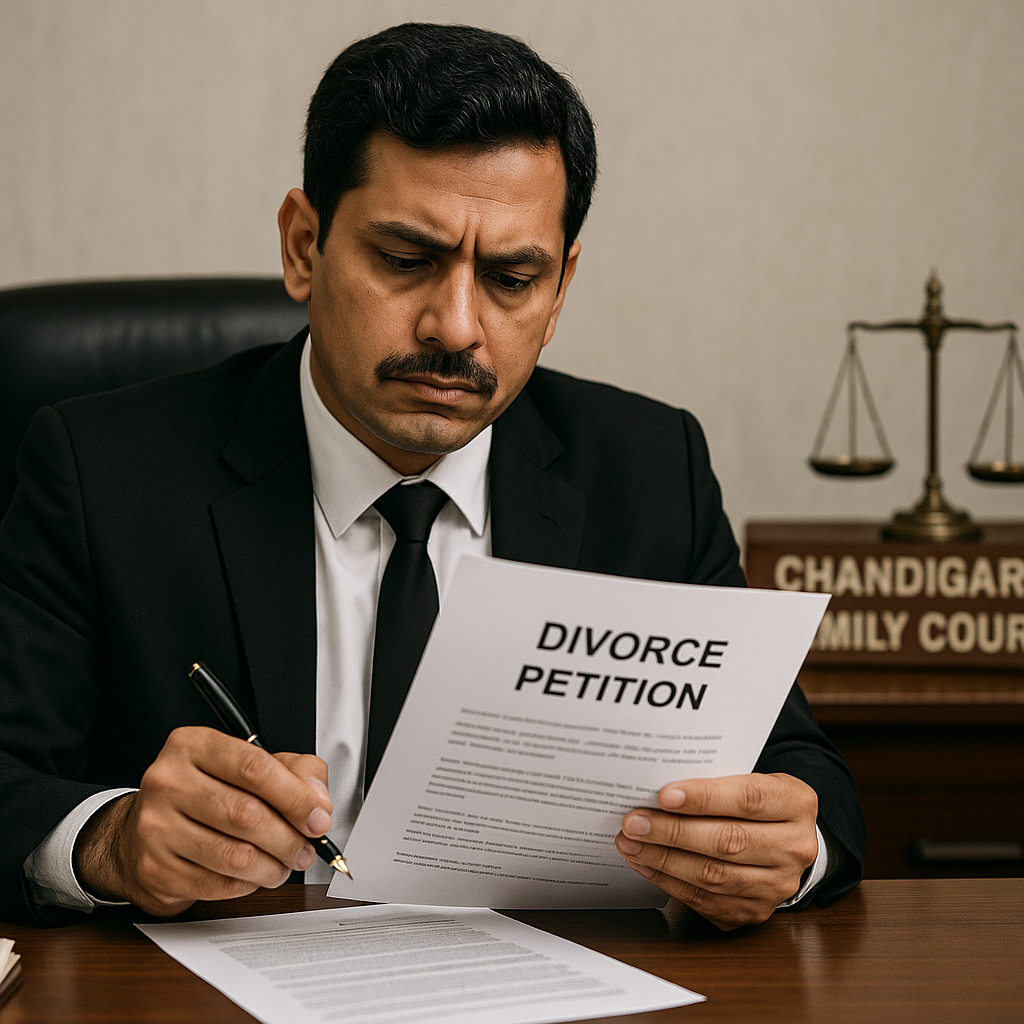
Why Some Divorce Petitions Fail in Chandigarh Family Courts
Why Some Divorce Petitions Fail in Chandigarh Family Courts
You walk into the Chandigarh family court, clutching your divorce petition in slightly trembling hands. After weeks of emotional stress and paperwork, you just want the process to move forward. But a month later, you get a rejection notice – one line, no detailed explanation. This happens more often than most expect. For anyone filing a divorce petition Chandigarh, the process can feel unpredictable, especially when seemingly small mistakes throw the whole case off track.
Divorce is never easy, but in Chandigarh, the legal process has its own quirks. Many petitions – whether for mutual consent divorce or contested cases – get dismissed right at the first stage. The reasons range from technical errors to deeper legal issues. Knowing why divorces get rejected in this city’s family courts can save you time, money, and heartache.
This guide breaks down the most common reasons for petition rejection, the legal steps involved, and what a good divorce advocate can do to help. You’ll also see how Chandigarh’s unique legal culture shapes outcomes. If you’re thinking about filing, or already stuck mid-process, this is for you.
Quick Answer:
Most divorce petitions in Chandigarh family courts fail due to incomplete documentation, procedural mistakes, lack of legal grounds, or errors in the mutual consent process. Careful preparation, understanding local legal procedure, and consulting an experienced divorce lawyer can significantly reduce the risk of petition rejection.
Understanding Divorce Petitions in Chandigarh Family Courts
A divorce petition is a formal legal request to dissolve a marriage, filed before a family court. In Chandigarh, the process follows the Hindu Marriage Act, Special Marriage Act, or other personal laws, depending on the couple’s faith. Each act has its own requirements, but the basics are similar.
The Chandigarh family court is known for strict scrutiny of paperwork and process. If you miss a step or submit incomplete forms, your petition might not even reach the hearing stage. This section explains what a divorce petition involves and what makes Chandigarh’s approach unique.
Types of Divorce Petitions
There are two main types of divorce petitions commonly filed in Chandigarh:
- Mutual consent divorce: Both spouses agree to separate and file jointly. Usually faster, but requires strict compliance with cooling-off periods and joint statements.
- Contested divorce: One spouse files against the other, citing grounds like cruelty, adultery, or desertion. Needs strong evidence and proper legal arguments.
Rarely, other petitions – like annulment or judicial separation – are filed, but these follow similar scrutiny.
Key Steps in Filing a Divorce Petition Chandigarh
- Drafting the petition: Must include specific grounds, details of marriage, children, property, and relief sought.
- Submitting supporting documents: Marriage certificate, proof of residence, evidence of grounds (messages, police complaints, etc.), and ID proofs.
- Paying court fees: Fees depend on the act and relief sought. Missing receipts can halt your case.
- Serving notice to the other spouse: In mutual consent, both appear together. In contested cases, notice service is mandatory.
- Attending court hearings: Both parties (or their advocates) must be present for hearings and statements.
Why Chandigarh Family Courts Are Strict
Chandigarh courts see hundreds of divorce cases every month. Judges often spot patterns in fake consent, forged documents, or rushed applications. They check for:
- Proper jurisdiction (at least one spouse must ordinarily reside in Chandigarh)
- Original documents, not just photocopies
- Compliance with legal cooling-off periods
- Authentic statements from both parties
If any of these are missing, the petition usually fails at the first hearing itself.
Common Reasons Divorce Petitions Get Rejected
Most couples believe that once paperwork is filed, divorce is just a matter of time. In reality, petition rejection rates in Chandigarh are higher than many expect. Here are the most frequent reasons:
1. Incomplete or Incorrect Documentation
Family courts in Chandigarh are particular about documentation. Even a small error – like a missing signature or outdated address – can derail the process.
- Missing marriage certificate: Essential for proving the marriage exists.
- Incorrect details: Names, dates, or addresses not matching official records.
- No proof of jurisdiction: At least one spouse must show residency in Chandigarh.
- Lack of evidence: Especially in contested cases, courts expect supporting documents.
A single missing annexure can mean starting over. It’s frustrating, but judges rarely make exceptions.
2. Procedural Mistakes
Even experienced people get tripped up by procedure. Some common slip-ups:
- Improper notice service: The other spouse must be properly notified, with proof filed in court.
- Incorrect court fees: Underpayment or missing challan receipts.
- Skipping the cooling-off period: In mutual consent divorce, a mandatory 6-month period (Section 13B(2) HMA) is required before final decree.
- Not appearing for statements: Both parties must appear for recording statements. Non-appearance leads to dismissal.
3. Lack of Valid Legal Grounds
Chandigarh family courts won’t grant divorce just because a couple wants it. There must be recognized legal grounds:
- For mutual consent divorce: Both must confirm continued separation and willingness to divorce.
- For contested divorce: Grounds like cruelty, adultery, desertion, or mental disorder must be proven.
If the court feels the evidence is insufficient or fabricated, it will reject the petition.
4. False or Inconsistent Statements
Courts check if affidavits and oral statements match. Discrepancies create doubt.
- Contradictory claims: Stories that change between hearings.
- Fake consent: Sometimes, parties fake mutual consent to speed up property transfers.
- Third-party interference: Courts are wary if someone else is pushing the divorce.
5. Technical Errors by Lawyers or Parties
Even a seasoned divorce lawyer can make mistakes:
- Filing in the wrong court: Jurisdiction errors are common when spouses live in different cities.
- Wrong legal section cited: Confusing grounds under the Hindu Marriage Act and Special Marriage Act.
- Improper formatting: Courts in Chandigarh expect petitions in a specific format, with paginated annexures and certified copies.
Real Case Example
In 2022, a mutual consent divorce petition in Chandigarh was dismissed because one spouse failed to appear for the second motion. Even though both had agreed earlier, the absence was seen as withdrawal of consent. The couple had to start the process again, wasting six months.
Legal Procedure for Divorce Petitions in Chandigarh
Every divorce petition Chandigarh must follow a precise legal procedure. Missing even one step can result in immediate rejection. Here’s how it typically works:
Step-by-Step Divorce Filing Process
- Choose the correct court: File in the Chandigarh family court if either spouse lives in Chandigarh.
- Prepare the petition: Draft with the help of a divorce advocate, including all mandatory details.
- Attach supporting documents: Marriage certificate, address proof, evidence of grounds, children’s birth certificates (if any).
- File the petition and pay fees: Submit at the court’s filing counter. Get a case number.
- Notice and appearance: Court issues notice to the other spouse. Both must appear on the hearing date.
- First motion hearing: In mutual consent, statements are recorded. In contested, the respondent files a reply.
- Cooling-off period (if applicable): Six months for mutual consent, unless waived by the court in rare cases.
- Second motion: Both appear again. If statements match, court may grant divorce.
- Decree issued: Certified copy of the divorce decree is given.
What the Court Checks at Each Stage
- Jurisdiction: Is the court the right one for this case?
- Grounds: Are legal grounds clearly mentioned and supported?
- Consent: In mutual consent, is it genuine and sustained?
- Documents: Are originals produced when required?
- Procedural compliance: Are all steps and time frames followed?
How Chandigarh Differs
Compared to some other cities, Chandigarh family courts are less willing to overlook procedural lapses. Judges often ask for physical presence, even for NRI cases, and scrutinize joint statements closely.
Common Mistakes People Make in Divorce Petitions
Even smart, well-intentioned people make avoidable mistakes when filing for divorce. Here are the errors that trip up most Chandigarh residents:
Filing Without Legal Advice
Many think a mutual consent divorce is so simple they don’t need a lawyer. But small mistakes – like missing a document or using the wrong wording – can lead to rejection.
- DIY petitions: Often lack required annexures or legal language.
- Copy-paste errors: Using templates from online sources without customizing for your situation.
Ignoring Jurisdiction Requirements
People often file in Chandigarh because it’s convenient, but the court checks if at least one spouse has lived there recently. If you both live elsewhere, the petition gets tossed out.
Overlooking Cooling-Off Periods
Some couples try to rush the process, asking for a waiver of the six-month waiting period. Chandigarh courts rarely grant waivers unless there’s a pressing reason, like re-marriage or overseas travel.
Not Preparing for Cross-Examination
In contested divorces, both parties may be called for cross-examination. If your story changes, or you can’t support your claims, the judge may dismiss the case.
Poor Evidence Collection
Especially for grounds like cruelty or adultery, evidence matters. WhatsApp messages, photos, and medical reports are common, but the court wants originals or certified copies. Screenshots without authentication are often rejected.
Relying on Unofficial Advice
Neighbours, relatives, or even some paralegals give advice that doesn’t match Chandigarh’s legal procedure. What works in Delhi or Ludhiana might not work here.
Missing Court Dates
If you or your spouse miss a scheduled hearing, the court can dismiss the petition for non-prosecution. There’s usually no second chance unless you file a restoration application.
Importance of a Good Divorce Lawyer in Chandigarh
Hiring a knowledgeable divorce lawyer or advocate can make all the difference. Chandigarh’s legal culture is detail-driven and somewhat traditional. A good advocate knows the local judges’ preferences, current case law, and how to frame petitions to avoid red flags.
What a Divorce Advocate Does
- Drafts error-free petitions: Uses correct legal language and formats.
- Ensures documents are complete: Checks every annexure, gets certified copies, and organizes evidence.
- Handles procedural steps: Pays fees, files notices, and tracks court dates.
- Guides on strategy: Advises whether to file mutual consent or contested, based on circumstances.
- Represents in hearings: Argues your case, handles objections, and manages cross-examination.
How to Choose the Right Lawyer
- Experience in family law: Not all advocates have divorce expertise. Look for someone with a track record in Chandigarh family courts.
- Local knowledge: Familiarity with court staff, judges, and typical timelines is a plus.
- Transparent fees: Ask about all costs upfront, including court fees and document charges.
- Clear communication: You should feel comfortable discussing sensitive issues.
What Happens Without a Lawyer?
While self-filing is possible, most DIY cases get stuck or rejected due to procedural errors. Even if you want to save money, at least consult a lawyer before filing.
Special Challenges in Mutual Consent Divorce
Many couples prefer mutual consent divorce because it avoids blame and is usually faster. However, Chandigarh courts have their own checks to prevent misuse or fake agreements.
Cooling-Off Period: A Frequent Obstacle
Under Section 13B of the Hindu Marriage Act, a six-month gap is mandatory between the first and second motions. Chandigarh judges rarely waive this unless:
- Both parties have lived separately for over 18 months
- There are no pending disputes (like child custody)
- Both appear in person and file a detailed affidavit
Even then, waivers are the exception, not the rule. Most couples must wait the full six months.
Withdrawal of Consent
Either spouse can withdraw consent at any stage before the final decree. If this happens, the petition is dismissed. Chandigarh courts insist both parties repeat their consent during the second motion.
Documentation Must Match
Every detail in the petition, affidavits, and oral statements must match. Even a small error – like spelling differences in names – can cause delays or rejection.
Case Example
In a 2021 case, a couple filed for mutual consent divorce in Chandigarh, but the husband changed his mind before the second motion. The judge dismissed the petition, and the wife had to file a fresh contested divorce, which took another year.
Legal Grounds for Divorce: What Counts and What Doesn’t
Chandigarh family courts strictly follow the legal grounds laid out in the Hindu Marriage Act, Special Marriage Act, or relevant personal law. Not every reason a couple wants to separate is accepted by law.
Accepted Legal Grounds
- Cruelty: Physical or mental abuse, with evidence.
- Adultery: Proof of extra-marital affairs.
- Desertion: Spouse has left for at least two years without reasonable cause.
- Conversion: Spouse has converted to another religion.
- Mental disorder: Severe, proven with medical evidence.
- Incurable disease: Like leprosy or venereal disease (now rarely used).
- Mutual consent: Both parties agree after living separately for a year.
Grounds That Usually Fail
- General incompatibility: Not recognized unless it amounts to cruelty.
- Short-term separation: Less than one year apart is not enough for mutual consent.
- No evidence of allegations: Courts want proof, not just accusations.
Why Legal Grounds Matter
If your petition lists weak or unrecognizable grounds, the judge will reject it without a hearing. Always match your situation to the legally accepted grounds, and bring supporting documents.
The Role of Evidence in Divorce Petitions
Evidence is the backbone of any divorce petition in Chandigarh. Without strong proof, even the best-written petition can fail.
Types of Evidence Accepted
- Marriage certificate: Proves the marriage exists.
- Proof of residence: Utility bills, rent agreements.
- Photos and videos: Of marriage or alleged cruelty.
- Medical records: For claims of injury or mental illness.
- Electronic evidence: Messages, emails, call records (must be authenticated).
- Police complaints: If filed for cruelty or violence.
How to Present Evidence
- Originals or certified copies: Courts don’t trust photocopies.
- Proper annexures: Every document is numbered and referenced in the petition.
- Translation: If documents are in a regional language, certified English/Hindi translations are needed.
What Not to Do
- Don’t submit forged or altered documents. Chandigarh courts check authenticity and may initiate criminal action for fraud.
- Don’t rely on hearsay. Direct evidence is much stronger.
Common Evidence Mistakes
- Submitting WhatsApp screenshots without metadata or verification.
- Relying on unsigned letters or emails.
- Bringing witnesses who are not credible or are related to the parties.
Trends and Recent Developments in Chandigarh Divorce Cases
Divorce law in Chandigarh is evolving, but some trends are clear:
Increasing Mutual Consent Cases
More couples now opt for mutual consent divorce. In 2023, roughly 60% of Chandigarh family court divorces were by mutual consent, according to local law firm estimates. This reflects changing attitudes, but also means the courts look for fake or rushed agreements more carefully.
Stricter Scrutiny of NRI Cases
Chandigarh has a large NRI population. Courts now insist on physical presence for both parties, or at least video conferencing with proper identification. Power of attorney filings are checked closely for fraud.
Digital Evidence
Courts now accept electronic evidence, but only if properly authenticated. Many petitions fail because parties submit screenshots without the required Section 65B certificate under the Indian Evidence Act.
Delays Due to Backlogs
COVID-19 created a backlog of family law cases. Some petitions are delayed for months, making timely filing and follow-up more important than ever.
New Mediation Initiatives
Chandigarh family court now encourages mediation before allowing a contested divorce to go forward. Many cases are referred to court-appointed mediators, which can add a few weeks to the process, but also helps resolve some disputes without litigation.
Frequently Asked Questions
What are the main reasons a divorce petition gets rejected in Chandigarh?
The most common reasons include incomplete documentation, lack of legal grounds, procedural errors, and inconsistent statements. Courts in Chandigarh are strict about original documents and proper jurisdiction.
How long does it take for a mutual consent divorce in Chandigarh?
A mutual consent divorce usually takes 6 – 9 months. There is a mandatory six-month waiting period between the first and second motions. Some cases may take longer due to court backlogs or missing documents.
Can the cooling-off period be waived in Chandigarh family court?
Yes, but only in rare circumstances. The court may waive the six-month period if both parties have already lived separately for over 18 months and there are no pending disputes. Most petitions must wait the full period.
What documents are needed for a divorce petition in Chandigarh?
You need a marriage certificate, proof of residence, ID proofs, evidence supporting the grounds for divorce (messages, complaints), and birth certificates of children if any. Originals or certified copies are required.
Is it possible to file a divorce petition without a lawyer in Chandigarh?
Technically, yes, but most self-filed petitions get rejected due to procedural mistakes. It’s highly recommended to consult a divorce lawyer familiar with Chandigarh family court procedures.
What happens if one party does not appear for the hearing?
If either spouse misses a scheduled hearing without a valid reason, the court may dismiss the petition for non-prosecution. You can file a restoration application, but it causes delays.
Can NRIs file for divorce in Chandigarh?
Yes, if one spouse resides in Chandigarh. However, both parties usually need to appear in court, either in person or via authenticated video conferencing. Power of attorney filings require extra scrutiny.
What is the difference between mutual consent and contested divorce?
Mutual consent divorce is when both spouses agree to separate and file jointly. Contested divorce involves one spouse filing against the other, citing specific legal grounds. Contested cases take longer and require evidence.
How do I prove cruelty or adultery in Chandigarh family court?
You need strong evidence, such as medical reports, police complaints, or authenticated electronic messages. The court requires originals or certified copies and may call witnesses.
What are the court fees for filing a divorce petition in Chandigarh?
Fees depend on the type of petition and relief sought, but generally range from Rs. 100 to Rs. 500. Some additional charges apply for certified copies and document verification.
How can I avoid my divorce petition being rejected?
- Hire an experienced divorce advocate in Chandigarh.
- Double-check all documents and annexures.
- Follow each procedural step, including notice service and court dates.
- Ensure legal grounds are clearly stated and supported by evidence.
- Attend all hearings and respond promptly to court queries.
What if my divorce petition is rejected?
You can file a fresh petition after correcting the errors or appeal the rejection, depending on the reason. It’s best to consult a lawyer before taking further steps.
Are mediation services available in Chandigarh family court?
Yes, the court often refers couples to mediation before proceeding with a contested divorce. Mediation can help resolve disputes and sometimes leads to mutual consent petitions.
Can I file for divorce in Chandigarh if I got married elsewhere?
Yes, if either spouse currently resides in Chandigarh or the couple last lived together here. Otherwise, the court may reject the petition for lack of jurisdiction.
What is the process for serving notice to the other spouse?
The court issues notice to the respondent, usually delivered by post or process server. Proof of service must be filed. If the respondent cannot be found, newspaper publication may be allowed.
Key Takeaways
- Chandigarh family courts have a high rate of divorce petition rejection due to strict documentation and procedural checks.
- Mutual consent divorce is faster but requires both parties’ sustained agreement and proper evidence.
- Missing or incorrect documents, especially marriage certificates and proof of residence, lead to immediate dismissal.
- Courts rarely waive the six-month cooling-off period for mutual consent divorce.
- Filing in the wrong jurisdiction is a common and costly mistake.
- Strong, original evidence is needed for contested divorces, especially for allegations like cruelty or adultery.
- DIY petitions without a lawyer often fail due to minor technical errors.
- NRI cases face extra scrutiny, including requirements for in-person or authenticated virtual appearances.
- Mediation is increasingly common before contested cases proceed.
- Always check for updated court procedures, as rules and expectations change over time.
Conclusion
Filing a divorce petition in Chandigarh family court demands careful attention to legal procedure, documentation, and the specific requirements of local judges. Many petitions fail not because the marriage cannot be dissolved, but because of avoidable mistakes in paperwork, evidence, or process.
If you’re considering a divorce petition Chandigarh, take the time to understand the legal steps, consult a skilled divorce advocate, and prepare your case thoroughly. A little extra care at the start can save months – or even years – of frustration later.
