
Why Legal Outcomes Vary So Widely in Chandigarh’s Divorce Courts
Why Do Divorce Outcomes in Chandigarh Vary So Much?
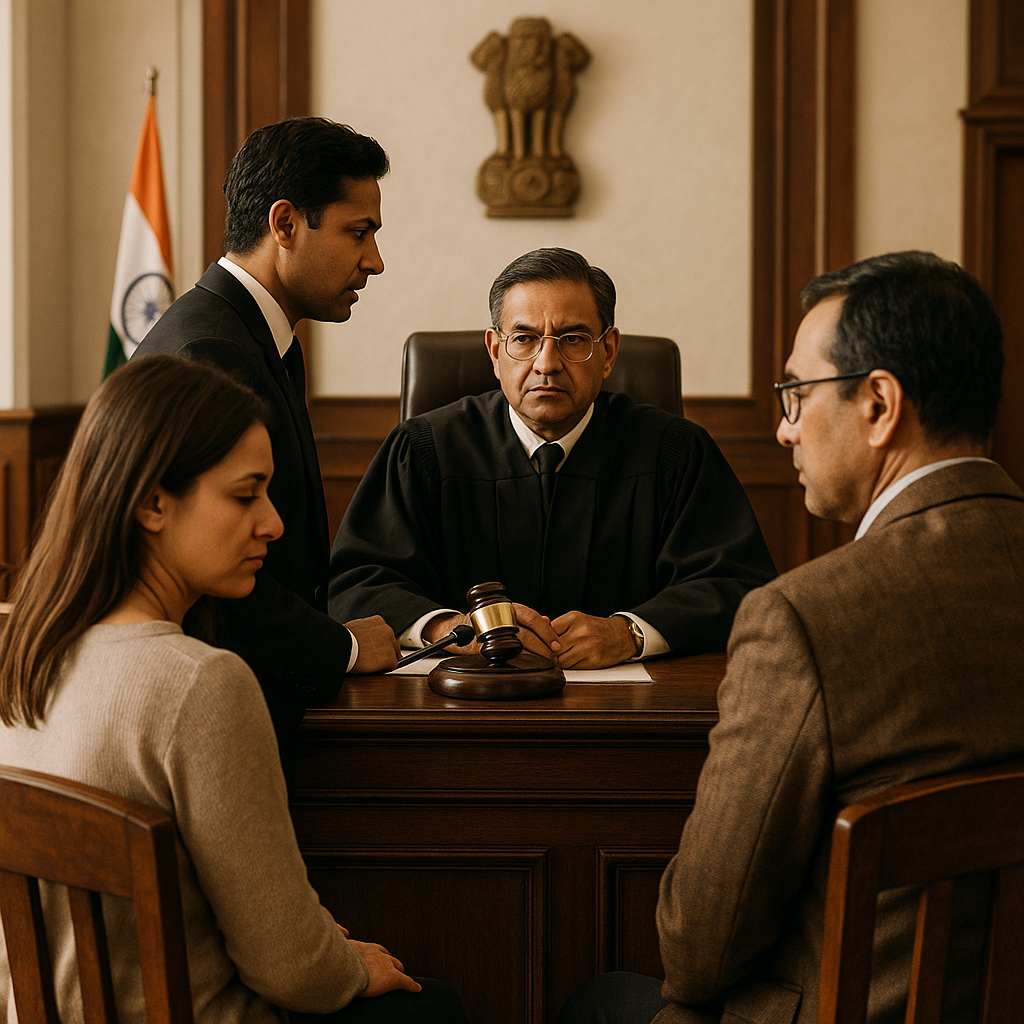
It’s a scene you’ll find in every Chandigarh family court: a husband and wife, both tired, their lawyers whispering and scribbling notes, waiting for the judge to call their case. One couple walks out relieved, another leaves in tears, and a third is told to come back next month. Ask anyone who’s gone through it – divorce outcomes in Chandigarh can feel unpredictable, even chaotic. Why does the same law produce such different results? And is there any way to make sense of what actually happens inside these courtrooms?
This question matters because divorce isn’t just paperwork. It decides child custody, property, alimony, and sometimes even your sense of fairness. The stakes are huge, and families in Chandigarh, Panchkula, and Mohali (the Tricity) want answers before they step into court. Understanding what drives these decisions can help you prepare, hire the right legal representation, and avoid nasty surprises.
As someone who’s watched dozens of cases unfold here, I’ll admit: the process is far from simple. But there are patterns, reasons, and some hard truths behind the headlines. Let’s look closely at why Chandigarh’s divorce courts hand down such a variety of judgments – and what you can actually control.
Quick Answer: Why Are Divorce Outcomes in Chandigarh So Unpredictable?
Featured Summary:
Divorce outcomes in Chandigarh vary widely due to a mix of judge discretion, differences in evidence and legal representation, the unique facts of each marital dispute, and inconsistent application of legal standards. Factors like the judge’s experience, the skill of divorce lawyers in Tricity, and even the specific family court branch can all affect the final court decision. There’s no single formula – each case is decided on its own merits.
The Legal Process: How Divorce Actually Unfolds in Chandigarh
Many people think divorce is just filling a form and waiting for a judge’s stamp. It isn’t. The legal process in Chandigarh’s family courts is a winding path, and each step can change the outcome.
Filing and Initial Hearings
It starts with one spouse filing a petition – sometimes for mutual consent, sometimes as a contested case. The first few hearings focus on paperwork and basic facts: marriage certificate, address proof, reasons for divorce.
- For mutual consent, both spouses must appear together, usually twice over 6 months.
- For contested cases, the respondent gets a chance to reply, and both sides file written statements.
- Early mediation is often attempted, but in my experience, it’s rarely successful unless both parties are already on talking terms.
Evidence and Witnesses
This is where things get tricky. Evidence can include:
- Personal testimony (from both spouses)
- Witness statements (family, friends, sometimes children)
- Financial documents (salary slips, property papers, bank statements)
- Medical or psychiatric reports (in cases of alleged cruelty or mental illness)
The quality of this evidence, and how it’s presented, can make or break a case. Honestly, most people underestimate how much depends on paperwork and preparation.
Arguments and Final Orders
After evidence, lawyers argue the case. Judges may ask questions or seek clarifications. Then comes the final order – covering divorce itself, plus alimony, child custody, maintenance, and property division.
Each of these is a separate decision. Sometimes a couple gets the divorce but fights for years over money or children.
Why the Process Creates Variation
- No two cases have the same facts or evidence.
- Judges have wide discretion within the law.
- Lawyers’ skill in presenting a case matters a lot.
- Delays or adjournments can change the mood and memory of everyone involved.
Judge Discretion: The Silent Force Behind Court Decisions
Even with similar facts, two different judges may write two very different orders. This is called judicial discretion – the power of judges to interpret facts and apply the law as they see fit within certain boundaries.
What Is Judge Discretion?
Indian divorce law (under the Hindu Marriage Act, Special Marriage Act, etc.) gives judges room to decide:
- What counts as cruelty, desertion, or irretrievable breakdown
- How much maintenance or alimony is “just and proper”
- Who should get child custody, and what visitation means
- How to divide marital property or assets
There are guidelines, but no fixed formulas. The same story might sound more credible or sympathetic to one judge than another.
Real Examples from Chandigarh Family Courts
Let’s say two women both allege cruelty. In one case, the judge finds the evidence strong and grants divorce plus Rs 25,000 per month maintenance. In another, the judge feels the evidence is weak – divorce is denied, and no maintenance is given.
Or take child custody. Some judges believe young children always need the mother. Others look for the parent with more stability or better schooling options.
Why This Discretion Exists
- Every family is different – no law can cover every scenario.
- Judges are supposed to balance fairness and law.
- Emotional and social factors (like the child’s wishes) aren’t easy to quantify.
But let’s be honest, this also means outcomes depend a lot on who hears your case. Some lawyers even try to time filings to get a particular judge, though this isn’t always possible.
The Role of Divorce Lawyers in Tricity: Skill, Strategy, and Reputation
The divorce lawyer in Chandigarh you choose can tip the scales. This isn’t just about knowing the law – it’s about understanding local judges, handling paperwork, and presenting your side convincingly.
What Makes a Good Divorce Lawyer in Chandigarh?
- Deep familiarity with family court judges and their preferences
- Strong drafting skills for petitions, replies, and affidavits
- Sharp cross-examination techniques
- Ability to find or challenge evidence (think: WhatsApp chats, CCTV, medical reports)
- Negotiation skills for settlements
A senior lawyer with a good reputation may get more respect from the judge. But sometimes, a less-known lawyer who is thorough with facts and paperwork can win a tough case. I’ve seen both.
How Legal Representation Shapes Outcomes
- Well-prepared lawyers can highlight weaknesses in the other side’s story.
- Good lawyers know which arguments work with which judge.
- Poor legal representation often leads to missed evidence, weak arguments, or procedural slip-ups.
If you’re thinking of hiring a divorce lawyer in Chandigarh, ask real questions: How many similar cases have they handled? What’s their approach to mediation vs litigation?
Cost and Access
- Senior advocates may charge Rs 1 – 3 lakh per case, sometimes more for high-profile disputes.
- Junior lawyers or legal aid may cost less, but experience can be limited.
- Fees vary based on complexity, duration, and whether appeals are involved.
Outcome Factors: What Really Decides Divorce Judgments?
No two divorce outcomes in Chandigarh look exactly the same. Here are the real factors that courts consider – some obvious, some less so.
Evidence Quality and Reliability
If you claim cruelty or desertion, the court wants proof. This could be:
- Photographs or medical records
- Text messages, emails, or call logs
- Witness statements (but only if credible)
Fake evidence or coached witnesses usually backfire. Judges in Chandigarh see hundreds of cases a year – they can spot exaggeration.
Financial Transparency
Property, salary, and bank details are central to maintenance and alimony. Hiding income or assets is common but risky. The court can order bank records or employer testimony.
Child Welfare
Child custody is decided by “the best interests of the child.” Factors include:
- Age and health of the child
- Schooling and living arrangements
- Relationship with each parent
Courts may talk to children (usually above age 7) in private to hear their wishes.
Social and Cultural Factors
Sometimes, extended family involvement, community reputation, or even caste and religion play a background role. It’s not official, but it’s real.
Delays and Adjournments
Long cases can lead to frustration, loss of evidence, or changes in the parties’ circumstances. This can affect outcomes, especially if someone remarries or moves away.
Table: Key Outcome Factors in Chandigarh Divorce Cases
| Factor | Typical Impact | Example |
|---|---|---|
| Evidence quality | High | Clear medical report vs hearsay |
| Lawyer’s skill | High | Strong cross-exam, sharp drafting |
| Judge’s background | Medium-High | Lenient vs strict interpretation |
| Financial disclosures | Medium | Full salary slips vs vague claims |
| Child’s wishes | Medium | Child prefers mother/father |
| Delay in proceedings | Medium | Evidence lost over time |
How Family Courts in Chandigarh Differ from Other Cities
Chandigarh’s family courts have their own quirks. If you’ve heard stories from Delhi or Mumbai, don’t expect everything to match.
Local Rules and Practices
- Chandigarh has separate family court branches for different regions (Chandigarh, Mohali, Panchkula)
- Judges are transferred every few years, which can disrupt ongoing cases
- The court staff, clerks, and even the waiting area atmosphere are unique – sometimes more formal than in smaller towns
Case Backlogs and Speed
- Chandigarh courts are busy but not as overloaded as Delhi
- Mutual consent divorces can finish in 7 – 9 months, but contested cases often drag for 2 – 4 years
- COVID-19 caused delays, but online hearings are now possible in some cases
Attitude Toward Settlements
Judges in Chandigarh often push for settlements, especially in child custody or property disputes. Mediation is offered but not forced.
Regional Differences Within Tricity
- Mohali and Panchkula courts sometimes follow slightly different procedures
- Language can be an issue: Hindi, English, and Punjabi are all used, but documents are usually in English
Example: Mutual Consent vs Contested Divorce
| Aspect | Mutual Consent | Contested |
|---|---|---|
| Duration | 7 – 12 months | 2 – 5 years |
| Court Hearings | 2 – 3 | 10+ |
| Emotional Stress | Lower | Higher |
| Costs | Rs 50k – 1 lakh (avg) | Rs 1 – 4 lakh (avg) |
| Judge Discretion | Limited | High |
Case Studies: Real Divorce Outcomes in Chandigarh
Sometimes, the only way to understand court decisions is to see real examples. Here are three anonymised cases from the Tricity area, showing how facts, evidence, and judge discretion shape outcomes.
Case Study 1: High-Earning Couple, Bitter Custody Fight
- Husband (software engineer) and wife (architect), married 9 years
- Two children, ages 6 and 10
- Allegations: Husband claims wife is unfit due to mental health issues. Wife alleges cruelty and financial abuse
- Evidence: Medical records, WhatsApp chats, school reports
- Outcome: Judge grants divorce, gives primary custody to wife, visitation rights to husband. Maintenance set at Rs 40,000/month
- Key factors: Judge found wife’s evidence credible, children preferred to stay with mother
Case Study 2: Mutual Consent, Quick Settlement
- Both partners in banking, married 3 years, no children
- Mutual consent filed after 6 months’ separation
- Both agreed on property and bank accounts
- Outcome: Divorce granted in 8 months, no maintenance. Flat sold, proceeds split
- Key factors: No disputes, clear financial records, both parties present
Case Study 3: Alleged Desertion, Disputed Alimony
- Husband (small business owner), wife (homemaker), married 15 years
- Wife alleges husband left her, seeks Rs 25,000/month
- Husband claims wife’s family forced him out
- Outcome: Divorce denied, maintenance set at Rs 8,000/month
- Key factors: Judge found desertion not proven, but wife needed support
Common Mistakes and Misconceptions in Chandigarh Divorce Cases
There’s no shortage of bad advice floating around. Here are some mistakes that can ruin your case – or at least make it harder.
- Believing verbal agreements are enough. Courts want everything in writing.
- Hiding income or assets, thinking the court won’t find out.
- Relying on emotional arguments without evidence.
- Choosing a lawyer just because they’re cheap or a family friend.
- Ignoring mediation offers out of anger or ego.
- Assuming you’ll get what your friend got in their case. Every case is different.
Best Practices for Improving Your Divorce Outcome
If you want the best possible result, you need a plan. Here’s what actually works in Chandigarh’s family courts:
- Collect and organise all documents: marriage certificates, bank records, property papers, medical reports.
- Be honest with your lawyer from the start. Surprises in court rarely end well.
- Prepare a timeline of events. Judges like clear, chronological stories.
- Attend all hearings, even if your lawyer says it’s not required.
- Be open to mediation, especially for child custody or property division.
- Don’t badmouth the other side in court. Judges prefer fact over drama.
- Ask your lawyer for realistic outcomes, not promises.
Trends and Changes: What’s Shifting in Chandigarh Divorce Courts?
The old days of endless delays and one-sided judgments are slowly fading, but new trends bring their own challenges.
Faster Mutual Consent Cases
- Courts are moving toward speedier mutual consent divorces, sometimes waiving the 6-month cooling period for urgent cases
- Online filing and video hearings for some steps
More Focus on Child Welfare
- Judges are interviewing children more often, sometimes with counsellors present
- Joint custody or shared parenting arrangements are becoming more common, especially for older children
Stricter Scrutiny of Evidence
- Digital evidence (chats, emails, social media) is now routine
- False allegations and forged documents face stricter penalties
Gender Bias Debates
- Some argue that maintenance laws favour wives, but courts are increasingly considering earning capacity and shared responsibility
- Men’s rights groups are more active, but legal standards haven’t shifted dramatically yet
Mediation and Settlement
- More cases are resolved through court-appointed mediators before full trial
- Settlement isn’t forced, but judges encourage it to reduce backlog
Frequently Asked Questions
What are the main reasons for different divorce outcomes in Chandigarh?
The main reasons are judge discretion, the quality of evidence, the skill of legal representation, and the unique facts of each case. Factors like child welfare, financial disclosures, and property details also affect the final court decision.
How long does a typical divorce take in Chandigarh?
Mutual consent divorces usually take 7 – 12 months. Contested divorces can last from 2 to 5 years, depending on complexity, court backlog, and cooperation between parties.
How much does it cost to hire a divorce lawyer in Chandigarh?
Fees vary widely. Senior advocates may charge Rs 1 – 3 lakh or more for complex cases. Junior lawyers or legal aid options can be less expensive, but experience may be limited. Costs increase if the case drags on or goes to appeal.
What documents are required for divorce in Chandigarh’s family court?
You’ll need:
– Marriage certificate
– Address proof
– Passport-size photos
– Financial documents (salary slips, property papers)
– Evidence supporting your claims (chats, emails, medical records)
Who usually gets child custody in Chandigarh?
Courts decide custody based on the child’s best interests, not gender alone. Mothers are often preferred for young children, but fathers can get custody if they prove better stability or welfare. The child’s wishes are considered if they’re old enough.
Is mediation mandatory in Chandigarh divorce cases?
Mediation is offered, especially for mutual consent or property disputes, but it isn’t forced. Judges may encourage it to speed up settlements and reduce emotional stress.
Can I get maintenance or alimony in every divorce?
Not always. Maintenance is given if one spouse cannot support themselves. The amount depends on income, property, and needs. Courts may deny maintenance if the spouse is earning or has hidden assets.
What is judge discretion, and why does it matter in divorce?
Judge discretion is the power judges have to interpret facts and apply the law. It matters because two judges may decide similar cases differently, especially for maintenance, custody, and property division.
How do Chandigarh family courts treat digital evidence?
Digital evidence like WhatsApp chats, emails, and social media posts is accepted if properly authenticated. Forged or doctored evidence can lead to penalties.
Can I switch my divorce case from one court to another in Tricity?
Rarely. Jurisdiction is based on residence or place of marriage. Transfers are possible only for strong reasons, like safety concerns or judge recusal.
What happens if a spouse hides income or assets?
The court can order disclosure of bank records and property. If hiding is proven, the judge may penalise the spouse or adjust alimony and property division accordingly.
Are Chandigarh divorce judgments more unpredictable than other cities?
Not necessarily, but the mix of judge discretion, evidence, and local practices leads to variation. Every city has its own patterns, but Chandigarh is known for detailed, case-by-case judgments.
What is the fastest way to get a divorce in Chandigarh?
Mutual consent is the quickest route. Both parties must agree, file jointly, attend two hearings, and settle all disputes beforehand. Sometimes, the cooling period can be waived for urgent cases.
How do I choose the right divorce lawyer in Chandigarh?
Ask about experience with similar cases, approach to negotiation vs litigation, and success rate. Reputation, communication skills, and familiarity with local courts matter more than low fees.
Can I represent myself in a Chandigarh family court divorce?
Yes, but it’s risky. The legal process is complex, and mistakes can hurt your case. Most people benefit from at least consulting a qualified divorce lawyer in Chandigarh.
Key Takeaways
- Divorce outcomes in Chandigarh depend on judge discretion, legal representation, and case facts.
- Evidence quality, not just emotional arguments, is critical.
- Family courts in Chandigarh, Mohali, and Panchkula each have unique quirks.
- Mutual consent divorces are faster and less stressful than contested ones.
- Child custody is decided by the child’s best interests, not just tradition.
- Financial transparency and honest disclosure help your case.
- Delays can change outcomes, so attend every hearing and stay prepared.
- Mediation is encouraged and often leads to better results.
- Choosing the right divorce lawyer in Chandigarh can make a big difference.
- Trends show faster processes, more digital evidence, and a focus on settlements.
Conclusion
Chandigarh’s divorce courts don’t run on formulas. Real outcomes depend on facts, evidence, judge discretion, and the skill of your legal team. While unpredictability can be frustrating, understanding the process and preparing well can help you aim for a fair result.
Every divorce is different, but knowing what actually shapes court decisions puts you in a stronger position. If you’re facing a marital dispute in Tricity, focus on clear evidence, honest representation, and realistic expectations. That’s the best way to handle the twists and turns of divorce outcomes in Chandigarh.
