
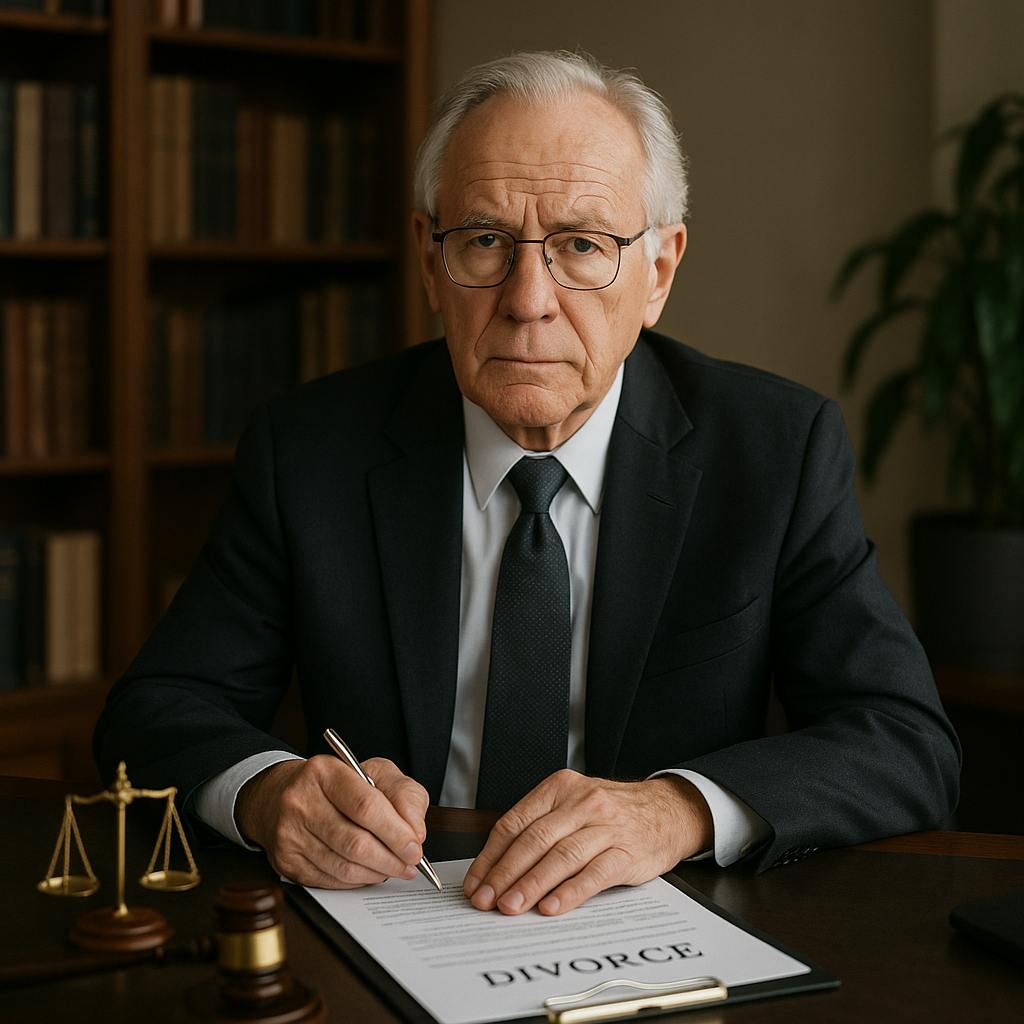
The Quiet Strain of Divorce on Elderly Couples—Legal and Emotional Realities
The Quiet Strain of Divorce on Elderly Couples – Legal and Emotional Realities
Divorce in older age rarely arrives with shouting or slammed doors. It’s more like an old ceiling fan – wearing down, quietly, until one day it just stops. Picture a couple in their late 60s, the children settled abroad, pension papers stacked on the table, and hardly a word at dinner. For many elderly couples in India, the decision to separate comes after decades of routines, shared festivals, and compromises. But the emotional and legal realities of late-life divorce – often called “senior divorce” – are far from simple. At this stage, the stakes can feel higher, and the support systems thinner. Finding the right elderly divorce lawyer becomes not just about paperwork, but about dignity, security, and peace of mind.
Why does this matter? Because the number of senior divorces in India has grown quietly over the last decade. Life expectancy is up, attitudes are slowly shifting, and many elders are no longer willing to spend their remaining years in silent suffering. Yet, the legal system is not always elderly-friendly. Financial worries, property rights, health, family pressure, and loneliness make every decision heavier. Simple steps – like filing a divorce petition or seeking alimony – can become tangled in old habits and new fears.
For families and elders facing this, the road feels lonely and confusing. Is there a way to separate with less pain? What should you expect from a family lawyer or separation lawyer? How will alimony work? What about the ancestral house or pension? These are not just legal questions, but deeply personal ones.
If you’re searching for guidance on senior divorce, or you’re a family member trying to help, you’re not alone. This article explains the quiet strain of elderly divorce, with practical legal advice, honest emotional insights, and clear steps for moving forward. The aim is simple: help you make informed, dignified choices at a difficult time.
Quick Answer: What Should Elderly Couples Know About Divorce?
Elderly couples facing divorce must address unique legal, financial, and emotional challenges. An experienced elderly divorce lawyer can help with property division, alimony, pension rights, and emotional support. Early legal advice protects your interests, ensures fair outcomes, and helps manage the transition with dignity.
What Is Senior Divorce? Understanding the Context
Senior divorce, sometimes called “grey divorce,” refers to couples over 55 or 60 who decide to end their marriage. In India, this usually means decades of shared life, joint property, and often grown-up children. The reasons vary – emotional distance, long-standing disputes, loss of intimacy, or even new-found independence after retirement.
Key Differences in Elderly Divorce
Senior divorce isn’t just a late rerun of younger couples’ breakups. It brings its own set of challenges:
- Financial Security: Retirement income, pensions, and savings are at stake. There’s less time to recover from financial shocks.
- Health Concerns: Chronic illness or disability can complicate separation, especially if one spouse is dependent on the other.
- Family Dynamics: Children are usually adults, but their opinions and involvement can heavily influence decisions.
- Social Stigma: In many Indian communities, divorce at an older age still draws whispers and judgement.
Why the Numbers Are Rising
The last census showed a steady increase in divorces among people aged 55 and above. Longer life expectancy, more awareness of personal rights, and shifting social norms are some reasons. Many elders now value companionship and self-respect over simply “adjusting” for the sake of family.
Practical Example: Ramesh and Shanti
Take Ramesh (67) and Shanti (62) from Pune. Married for 40 years, they drifted apart after his retirement. Their children live in the US. Both wanted peace, but worried about the house, medical costs, and what relatives would say. For them, finding a patient, knowledgeable family lawyer – one who understood the emotional side – made all the difference.
Legal Process for Elderly Divorce: Step-by-Step
Elderly divorce follows the same legal process as any other, but the details matter more. The paperwork, timelines, and court procedures can overwhelm anyone, especially elders unused to legal jargon.
Overview of the Indian Divorce Process
- Consultation: Meet with an elderly divorce lawyer or separation lawyer. Discuss your situation, assets, and concerns.
- Filing the Divorce Petition: Submit a written request to the family court. Grounds for divorce can include cruelty, desertion, mutual consent, etc.
- Notice & Response: The other spouse receives a legal notice and files a reply.
- Mediation or Counselling: Many courts encourage mediation, especially for long marriages. Sometimes, this helps avoid a bitter fight.
- Evidence & Hearings: Both sides present evidence and statements. This includes property documents, bank statements, and health records.
- Judgment: The judge decides on divorce, alimony, property split, and other issues.
- Appeal (if needed): Either side can challenge the verdict in a higher court.
Special Considerations for Seniors
- Physical Accessibility: Courts aren’t always elder-friendly. Some allow video hearings or home visits for frail clients.
- Health Documentation: Medical records may be needed, especially if health impacts alimony or property rights.
- Speed: Courts may fast-track senior divorce cases, but delays are common.
Role of the Elderly Divorce Lawyer
A good elderly divorce lawyer will:
– Explain every step in plain language
– Prioritise health and dignity
– Help gather the right documents
– Negotiate fair settlements, not just legal wins
– Suggest mediation over litigation when possible
Table: Key Documents Needed
| Document | Why It Matters |
|---|---|
| Marriage Certificate | Proof of marriage for petition |
| Proof of Age | To qualify for senior status |
| Property Documents | For division of assets |
| Pension/PF Papers | For alimony and financial settlement |
| Medical Reports | If health is a factor |
| Bank Statements | To assess financial position |
Financial Realities: Alimony, Property, and Pension Rights
Money is often the biggest worry for elderly couples considering divorce. After a lifetime of joint finances, splitting assets feels like untying a stubborn knot. Mistakes here can have lifelong effects.
Alimony for Elderly Spouses
Alimony – regular payments to the financially weaker spouse – is common in senior divorce. But the amount and duration depend on factors like age, health, earning ability, and length of marriage.
- Lifelong Alimony: Courts may order lifelong maintenance if one spouse has no income or is too old to work.
- One-Time Settlement: Sometimes, a lump-sum payment is agreed upon, especially if both want a clean break.
- Pension Sharing: India’s courts increasingly recognise a spouse’s right to a share of pension or provident fund.
Property Division
- Jointly-Owned Property: Usually divided equally, unless one party proves extra contribution.
- Ancestral Property: Can get complicated. Only self-acquired property is typically split, but exceptions exist.
- Home Rights: If one spouse is dependent or unwell, courts may let them stay in the family home.
Pension and Retirement Benefits
Pension and retirement savings are often a couple’s main asset in old age. Indian law allows for splitting these, but the process is technical.
- EPF/PPF Accounts: Can be divided, but paperwork is tedious.
- Government Pensions: Some pensions can be shared, but rules differ for central, state, and private employees.
- Nominee Issues: Changing nominees after divorce is essential, or ex-spouses may claim benefits later.
Practical Tips for Financial Protection
- Make a full list of all assets and debts
- Get property and pension documents in order early
- Ask your elderly divorce lawyer about tax implications
- Don’t rush into settlements out of guilt or pressure
Example: Kamala’s Pension Dilemma
Kamala (70) depended on her husband’s government pension. After divorce, she learned she was eligible for a share, but only after her lawyer filed the right forms. Without this, she’d have lost her main income.
Emotional and Social Impact: The Quiet Toll
Divorce at any age is hard, but for seniors, the emotional weight can feel crushing. It’s not just about splitting assets, but about untangling decades of shared memories, routines, and community ties.
Loneliness and Isolation
Many elderly divorcees report sudden loneliness. Friends may take sides, or drift away. Community events feel awkward. For women, the stigma can be sharper, especially in smaller towns and joint families.
Mental and Physical Health
- Depression: Rates of depression rise sharply after late-life divorce, especially in the first year.
- Stress-Related Illness: Blood pressure, heart problems, and insomnia are common.
- Loss of Care: If one spouse was the caretaker, illness or disability can become harder to manage.
Family Reactions
Adult children may feel shock, guilt, or anger. Some try to intervene, others withdraw. Grandchildren may also be confused or upset.
Coping Strategies
- Seek counselling or support groups (some NGOs run helplines for seniors)
- Stay connected with friends, even if it feels awkward at first
- Build new routines – volunteering, part-time work, or hobby classes
- Don’t be afraid to ask for help from neighbours or relatives
Example: The WhatsApp Group That Helped
After her divorce, Mrs. Mehta (68) joined a “senior singles” WhatsApp group in Delhi. Small chats about movies or recipes made a big difference. Sometimes, just knowing you’re not the only one is enough.
Role of the Elderly Divorce Lawyer: More Than Legal Advice
A good elderly divorce lawyer is more than a paperwork machine. They often become a confidant, guide, and sometimes even a counsellor for their senior clients.
What to Look For in a Family Lawyer
- Experience with Senior Divorce: Not all lawyers understand the unique needs of elders.
- Patience and Clarity: Legal jargon can be overwhelming. Look for someone who explains things in plain language.
- Empathy: Elderly clients need a lawyer who listens, not just argues.
- Track Record: Ask about past cases involving pensions, property, and health issues.
How Lawyers Help Beyond Court
- Suggesting mediation to avoid long, painful trials
- Connecting clients with counsellors, doctors, or financial planners
- Handling sensitive family meetings
- Ensuring the client’s health and dignity are protected in every step
Checklist: Questions to Ask Your Lawyer
- How many senior divorce cases have you handled?
- What is your approach to property and pension disputes?
- Can you help with medical or accessibility needs?
- Are you open to out-of-court settlements?
- What will be the estimated cost and timeline?
Child Custody and Grandchildren: Special Concerns
Child custody is less of a direct issue in elderly divorce, since children are usually grown up. But disputes about grandchildren, inheritance, and family ties are common.
Grandparent Rights
Indian law doesn’t give automatic visitation rights to grandparents after divorce. However, family courts can grant access if it’s in the child’s best interest.
Inheritance and Succession
- Wills: Divorce may change inheritance plans. Updating wills is essential.
- Family Property: If grandparents live in joint family homes, disputes can arise over who stays where.
- Gifts and Trusts: Some elders create trusts or give property to grandchildren to avoid future disputes.
Practical Steps
- Discuss inheritance openly with family
- Update legal documents after divorce
- If denied access to grandchildren, consult a family lawyer for possible remedies
Common Mistakes and Misconceptions in Elderly Divorce
Senior divorce is full of pitfalls. Many elders, or their families, make simple mistakes that have lasting consequences.
Common Errors
- Rushing to Settle: Some elders agree to unfair settlements just to “get it over with.”
- Ignoring Pension Rights: Many don’t realise they can claim a share of pension or retirement funds.
- Not Updating Legal Documents: Wills, nominees, and property records often get overlooked.
- Letting Family Pressure Decide: Decisions made under pressure from children or relatives can lead to regret.
Myths and Reality
- “Divorce is only for the young.” In fact, senior divorce is quietly rising.
- “Alimony is not possible after 60.” Courts routinely award maintenance to elderly spouses.
- “Property always goes to the children.” The law protects spousal rights even after decades of marriage.
How to Avoid Problems
- Take time to understand your rights
- Get independent legal advice – don’t rely only on relatives or neighbours
- Write down all assets and wishes before starting the process
Best Practices: Moving Through Senior Divorce with Dignity
Senior divorce is never easy, but certain steps can help make it less painful and more secure.
Step-by-Step: Preparing for Divorce in Later Life
- Gather Documents: Collect everything – marriage certificate, property papers, pension details, medical records.
- List All Assets and Debts: Don’t leave out small savings or old loans.
- Find the Right Lawyer: Look for an elderly divorce lawyer with proven experience and empathy.
- Consider Mediation: Ask if your case can be settled outside court.
- Plan for Health and Care: If you have medical needs, discuss them with your lawyer and family.
- Update Legal Documents: Change nominees on pensions, update wills, and inform banks.
- Build Support: Reach out to friends, support groups, or counsellors.
Expert Tips
- Keep a diary or notes of key events and decisions
- Don’t sign any settlement without reading or understanding it fully
- Ask for written legal advice, not just verbal promises
- Remember, it’s okay to take things slow
Example: Out-of-Court Settlement
Mr. and Mrs. Sharma (both 65) settled their property and alimony issues through mediation. It was quieter, faster, and less expensive than a court battle. Both said they slept better after the decision.
Trends and Future Outlook: How Senior Divorce is Changing in India
Senior divorce is slowly becoming more visible, but the legal system is still catching up. Social attitudes are changing, especially in cities, but stigma remains in smaller towns.
Rising Numbers, Changing Attitudes
- More elders are seeking legal advice for divorce than ever before
- NGOs and helplines now offer support for elderly divorcees
- Courts are recognising the special needs of seniors, including fast-tracking some cases
Legal Reforms and New Developments
- Some states have set up elder-friendly courtrooms
- Pension division rules are under review in some government sectors
- Digital filing and video hearings are making access easier for housebound elders
What to Watch For
- More awareness campaigns on elder rights in divorce
- Possible changes in inheritance and pension laws
- Growth of support groups for divorced seniors
Frequently Asked Questions
What is senior divorce, and how is it different from regular divorce?
Senior divorce refers to couples over 55 or 60 ending their marriage. It is different because it often involves splitting retirement savings, pensions, and dealing with health or dependency issues. The emotional impact can also be stronger due to long-standing ties and routines.
How can an elderly divorce lawyer help in senior divorce cases?
An elderly divorce lawyer helps seniors by explaining legal steps, protecting financial interests, and handling sensitive family matters. They also advise on property division, alimony, pension rights, and can suggest mediation to reduce conflict.
What documents are required for filing a divorce petition for elderly couples?
Key documents include the marriage certificate, proof of age, property papers, pension and bank statements, medical records, and identification documents. Having these ready speeds up the process and helps avoid disputes.
Can an elderly spouse claim alimony after many years of marriage?
Yes, Indian courts routinely grant alimony or maintenance to elderly spouses who lack independent income. The amount depends on age, health, length of marriage, and financial needs.
How is property divided in a senior divorce?
Property is usually split equally, especially if both names are on the deed. Self-acquired property is divided, but ancestral property can be more complex. Legal advice is essential to avoid mistakes.
What happens to pension and retirement benefits after divorce?
Pension and retirement benefits can be divided, depending on the source and rules. Government and private pensions have different processes. Updating nominees and legal documents after divorce is important.
Are there support groups for elderly divorcees in India?
Yes, several NGOs and community groups offer support, counselling, and helplines for elderly divorcees. Some cities have senior singles groups or online forums for social connection.
Can grandparents claim visitation rights to see grandchildren after divorce?
Indian law does not guarantee automatic visitation rights to grandparents, but courts can grant access if it serves the child’s best interests. Legal advice from a family lawyer can help in such cases.
What are the biggest mistakes elderly couples make during divorce?
Common mistakes include rushing settlements, ignoring pension rights, not updating legal documents, and succumbing to family pressure. Consulting an experienced elderly divorce lawyer helps prevent these errors.
How long does it take for an elderly couple to get a divorce in India?
The process can take from several months to a few years, depending on whether the divorce is mutual or contested, the complexity of assets, and court workload. Mediation can speed up the process.
What is the role of mediation in senior divorce?
Mediation offers a less confrontational way to resolve disputes over property, alimony, or family matters. It is often faster and less expensive than a court trial, and helps preserve dignity.
What legal steps should an elderly person take immediately after deciding to divorce?
- Gather all important documents.
- Make a list of assets and debts.
- Consult an elderly divorce lawyer for legal advice.
- Inform immediate family if safe to do so.
- Plan for ongoing health and financial needs.
Does divorce affect inheritance rights of children or grandchildren?
Divorce can change inheritance arrangements, especially if wills or property documents are not updated. Children’s rights to ancestral property remain, but spousal rights may be altered post-divorce.
Is it possible to get a divorce without going to court?
Yes, if both parties agree, divorce by mutual consent can often be settled through mediation and paperwork, with minimal court appearances. A separation lawyer can guide this process.
What is the cost of hiring an elderly divorce lawyer in India?
Costs vary widely by city and case complexity. Simple mutual consent divorces may cost from Rs 15,000 – 50,000, while contested cases with property disputes can go higher. Always ask for a clear estimate before hiring.
Key Takeaways
- Senior divorce is rising in India, but brings unique legal and emotional challenges.
- Financial security – especially alimony and pension rights – is a top concern for elderly couples.
- Emotional impact includes loneliness, health issues, and family strain.
- An experienced elderly divorce lawyer protects financial interests and dignity.
- Property division in senior divorce can be complex, especially with ancestral assets.
- Mediation often leads to faster, less painful settlements for seniors.
- Updating wills and legal documents after divorce is essential.
- Support groups and counselling help elders cope with post-divorce life.
- Common mistakes include rushing, ignoring pension rights, and family pressure.
- Legal reforms are slowly making courts more elder-friendly, with digital options and faster hearings.
Conclusion
Divorce in old age is rarely simple, but it’s not the end of hope or dignity. With the right legal advice and a patient, experienced elderly divorce lawyer, seniors can protect their interests and move forward with less pain. The process may be slow, and the emotional toll real, but making informed choices helps ensure security and peace in the years ahead. Remember, asking for help is not weakness – it’s the first step to a better future.
